

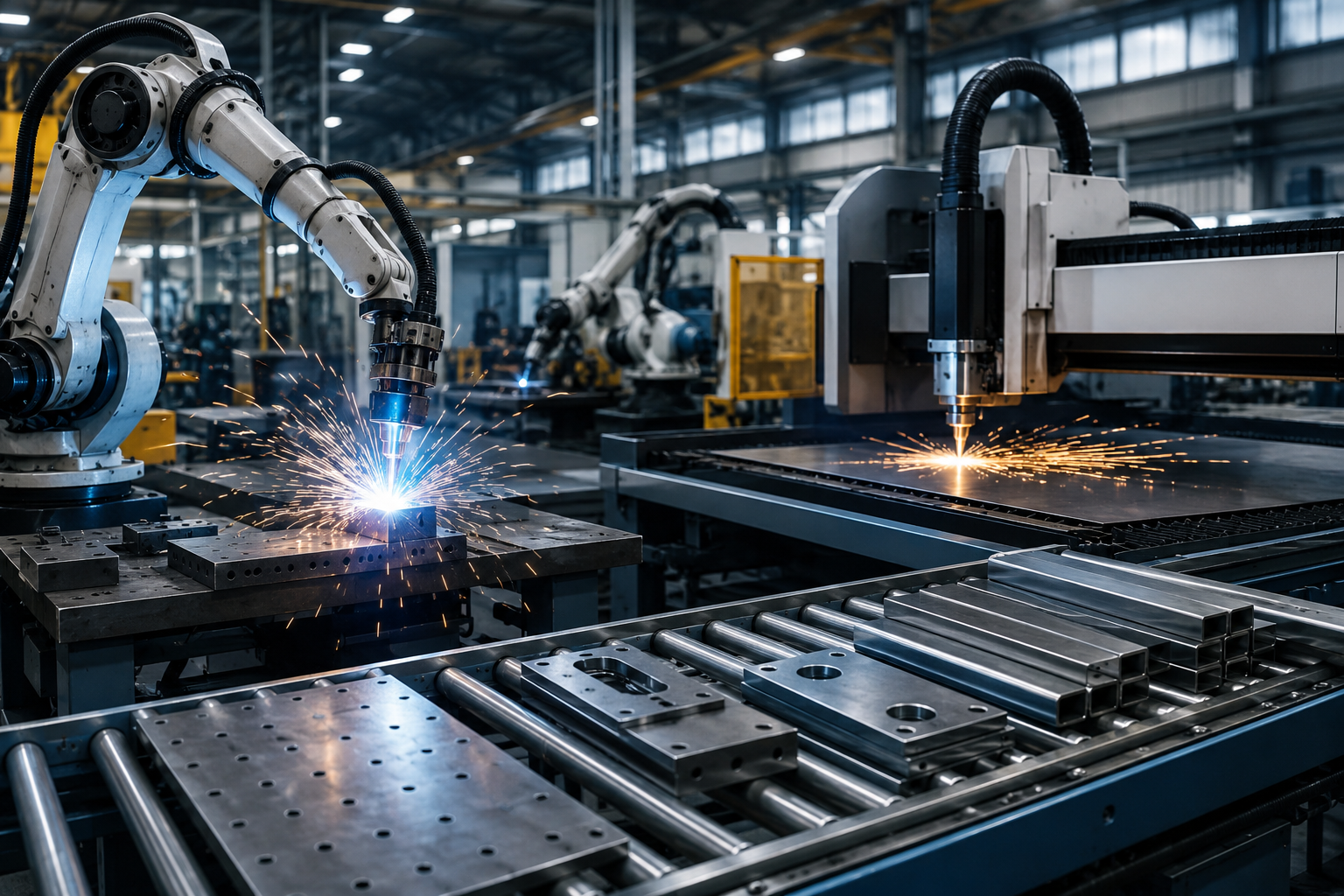
Modern manufacturing is evolving rapidly, and Metal Fabrication Services in Adelaide are embracing automation to improve efficiency, precision, and production quality. From robotic welding to CNC-controlled machinery, fabrication automation is helping manufacturers deliver consistent results while reducing production time and operating costs. For businesses seeking reliable fabrication partners, automated manufacturing offers a significant competitive advantage in today’s demanding industrial landscape.
At Gaja Engineering, we combine advanced automation technologies with skilled engineering expertise to deliver high-quality metal fabrication solutions for OEMs, manufacturers, and industrial clients across Australia.
Why Automation Is Transforming Metal Fabrication Services in Adelaide
Fabrication automation refers to the use of advanced machinery, robotics, and digital technologies to streamline metal fabrication processes. Unlike traditional manual fabrication, automated systems perform repetitive tasks with exceptional precision, resulting in consistent product quality and faster production cycles.
As customer expectations continue to rise, businesses are investing in automation to increase productivity while maintaining strict quality standards.
Key Automation Technologies Used in Modern Fabrication Workshops
Today’s fabrication workshops rely on several advanced technologies, including:
- CNC machining for precision cutting and shaping
- Robotic welding systems for consistent weld quality
- Automated laser cutting for complex profiles
- CNC press brakes for accurate bending
- Automated material handling systems
- Digital quality inspection and measurement
Together, these technologies improve manufacturing efficiency while reducing human error and material waste.
Benefits of Fabrication Automation
Automation delivers measurable advantages for manufacturers and their customers.
Improved Precision
Computer-controlled equipment produces highly accurate components with consistent tolerances, reducing rework and improving product quality.
Faster Production
Automated machinery operates continuously with minimal downtime, allowing manufacturers to meet demanding production schedules.
Reduced Labour Costs
Automation handles repetitive processes efficiently, enabling skilled employees to focus on engineering, programming, and quality control.
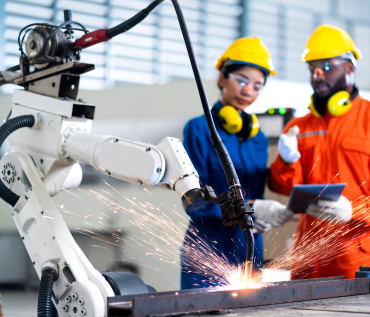
Enhanced Workplace Safety
Robotic systems perform hazardous tasks such as heavy lifting and welding, creating safer working environments.
Consistent Quality
Every component is produced to the same specification, ensuring repeatability across low- and high-volume production runs.
Industry 4.0 Is Driving Smart Fabrication
Industry 4.0 technologies are reshaping modern fabrication workshops by integrating automation, real-time monitoring, and data-driven decision-making. Smart manufacturing systems monitor machine performance, identify maintenance needs, and optimise production schedules to maximise efficiency.
For manufacturers, this means shorter lead times, higher productivity, and better resource utilisation.
Automation Across Australian Industries
Fabrication automation supports numerous industries, including:
- Mining
- Construction
- Automotive
- Agriculture
- Heavy engineering
- Industrial equipment manufacturing
These sectors depend on precision-fabricated components that meet strict quality standards while being delivered on time. Automated fabrication enables manufacturers to scale production without compromising accuracy or reliability.
Why Choose Gaja Engineering?
Gaja Engineering delivers advanced Metal Fabrication Services in Adelaide using modern fabrication automation, CNC machining, precision welding, and rigorous quality assurance processes. Our experienced team combines innovative technology with engineering expertise to manufacture high-quality components that meet the demands of Australian industries.
Whether you require custom fabrication, prototype development, or high-volume production, our integrated manufacturing capabilities ensure efficiency, consistency, and outstanding results.
Learn more about our Metal Fabrication Services, CNC Machining Services, and OEM Manufacturing Services, or Contact Us to discuss your next fabrication project.
Conclusion
Automation is revolutionising Metal Fabrication Services in Adelaide by improving productivity, precision, safety, and manufacturing quality. Businesses that partner with experienced manufacturers like Gaja Engineering benefit from advanced fabrication technologies, shorter lead times, and dependable production capabilities. As automation continues to shape the future of manufacturing, investing in a trusted fabrication partner ensures long-term operational success and a competitive advantage.
Frequently Asked Questions (FAQ)
1. What is fabrication automation?
Fabrication automation uses robotics, CNC machines, and digital technologies to automate metal fabrication processes, improving productivity, precision, and quality.
2. How does automation improve metal fabrication?
Automation increases production speed, reduces errors, improves safety, minimises material waste, and delivers consistent product quality.
3. Which industries benefit most from fabrication automation?
Mining, construction, automotive, agriculture, industrial equipment, and heavy engineering industries all benefit from automated fabrication solutions.
4. What technologies are commonly used in automated fabrication workshops?
Common technologies include CNC machining, robotic welding, automated laser cutting, CNC press brakes, material handling systems, and digital quality inspection.
5. How does Industry 4.0 support fabrication automation?
Industry 4.0 integrates automation, IoT, and real-time data monitoring to improve machine performance, production planning, and manufacturing efficiency.
6. Why choose Gaja Engineering for Metal Fabrication Services in Adelaide?
Gaja Engineering combines advanced fabrication automation, CNC machining, precision welding, and experienced engineering support to deliver reliable, high-quality metal fabrication solutions tailored to Australian industries.

