

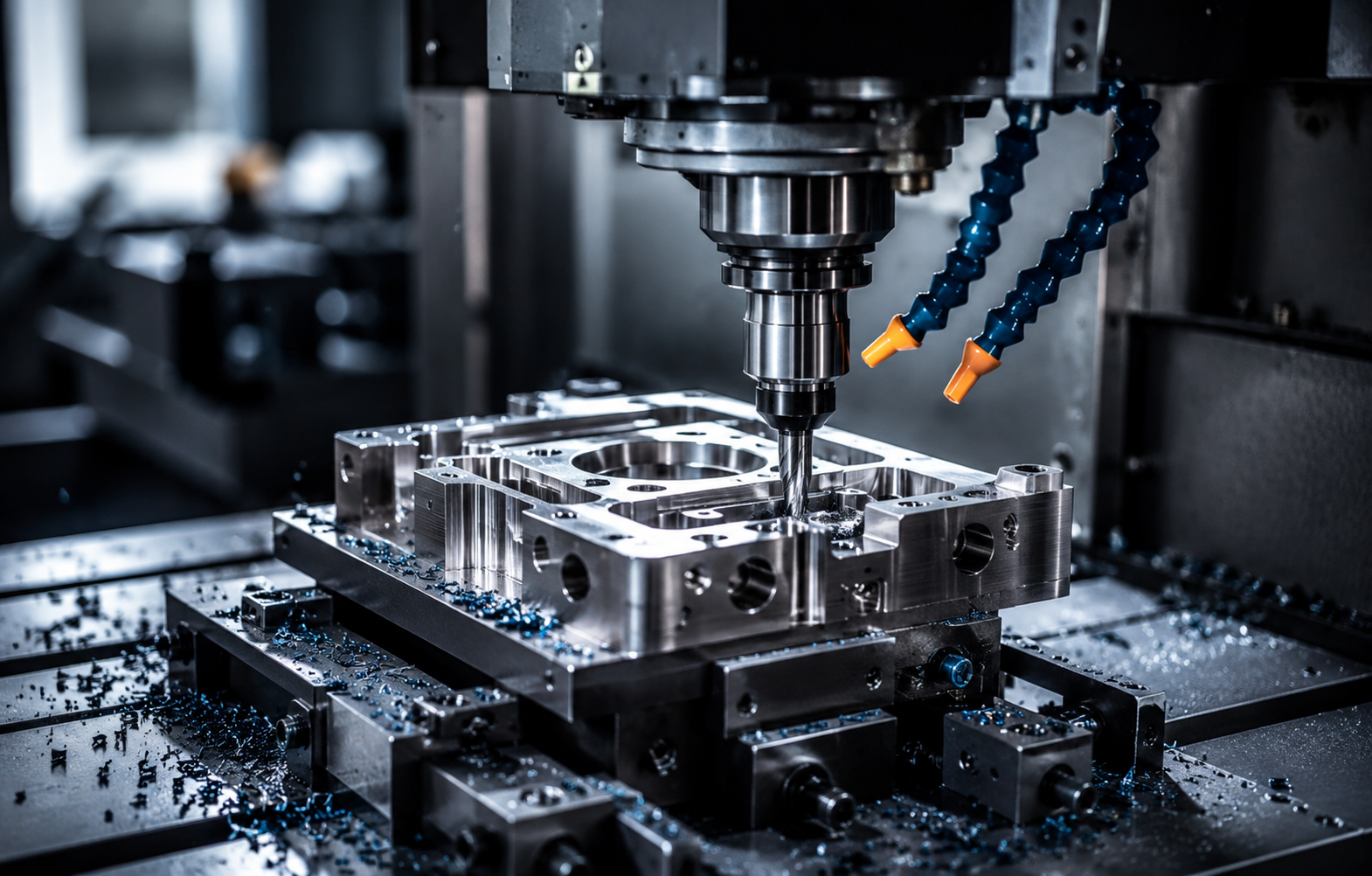
In modern manufacturing, CNC Machining is trusted for producing high-precision components across industries including mining, defence, automotive, and industrial equipment. However, even advanced CNC equipment can produce defects if machining parameters, tooling, or material selection are not properly controlled. Understanding these common issues helps manufacturers improve product quality, reduce waste, and maintain production efficiency.
At Gaja Engineering, quality assurance is integrated into every stage of the machining process, ensuring every component meets strict dimensional and performance requirements.
1. Poor Surface Finish
One of the most common CNC machining defects is an uneven or rough surface finish. This can occur due to worn cutting tools, incorrect spindle speeds, excessive feed rates, or machine vibration.
Engineers prevent this by:
- Using sharp, high-quality cutting tools
- Optimising cutting speeds and feed rates
- Selecting the correct coolant
- Performing regular machine maintenance
These practices improve surface quality while extending tool life.
2. Dimensional Inaccuracy
Precision is the foundation of CNC Machining, yet incorrect machine calibration, tool wear, or thermal expansion can result in parts falling outside specified tolerances.
Professional engineers minimise these issues through:
- Routine machine calibration
- In-process inspections
- Precision measuring equipment
- Real-time tool wear monitoring
This ensures every component consistently meets design specifications.
3. Burr Formation
Burrs are unwanted sharp edges left after machining operations. Besides affecting appearance, burrs can interfere with assembly and reduce product safety.
Engineers reduce burr formation by:
- Optimising cutting parameters
- Using suitable tooling geometry
- Applying secondary deburring processes
- Selecting appropriate machining strategies
Proper burr control improves both functionality and customer satisfaction.
4. Chatter Marks
Machine chatter creates visible vibration marks on machined surfaces and can negatively impact both aesthetics and dimensional accuracy.
Common prevention methods include:
- Increasing machine rigidity
- Shortening tool overhang
- Optimising spindle speed
- Selecting suitable cutting paths
Stable machining conditions produce smoother finishes and longer tool life.
5. Tool Wear and Tool Breakage
Every cutting tool experiences wear over time. Excessive wear leads to inconsistent dimensions, poor finishes, and increased production costs.
Modern CNC machining services reduce this risk by implementing:
- Predictive tool replacement schedules
- Tool condition monitoring
- High-performance cutting tools
- Correct machining parameters
Preventive maintenance significantly improves machining reliability.
6. Thermal Distortion
Heat generated during machining can cause materials to expand temporarily, affecting dimensional accuracy.
Experienced engineers manage thermal distortion by:
- Using efficient coolant systems
- Controlling cutting speeds
- Scheduling roughing and finishing operations separately
- Monitoring workpiece temperatures
These methods help maintain consistent tolerances throughout production.
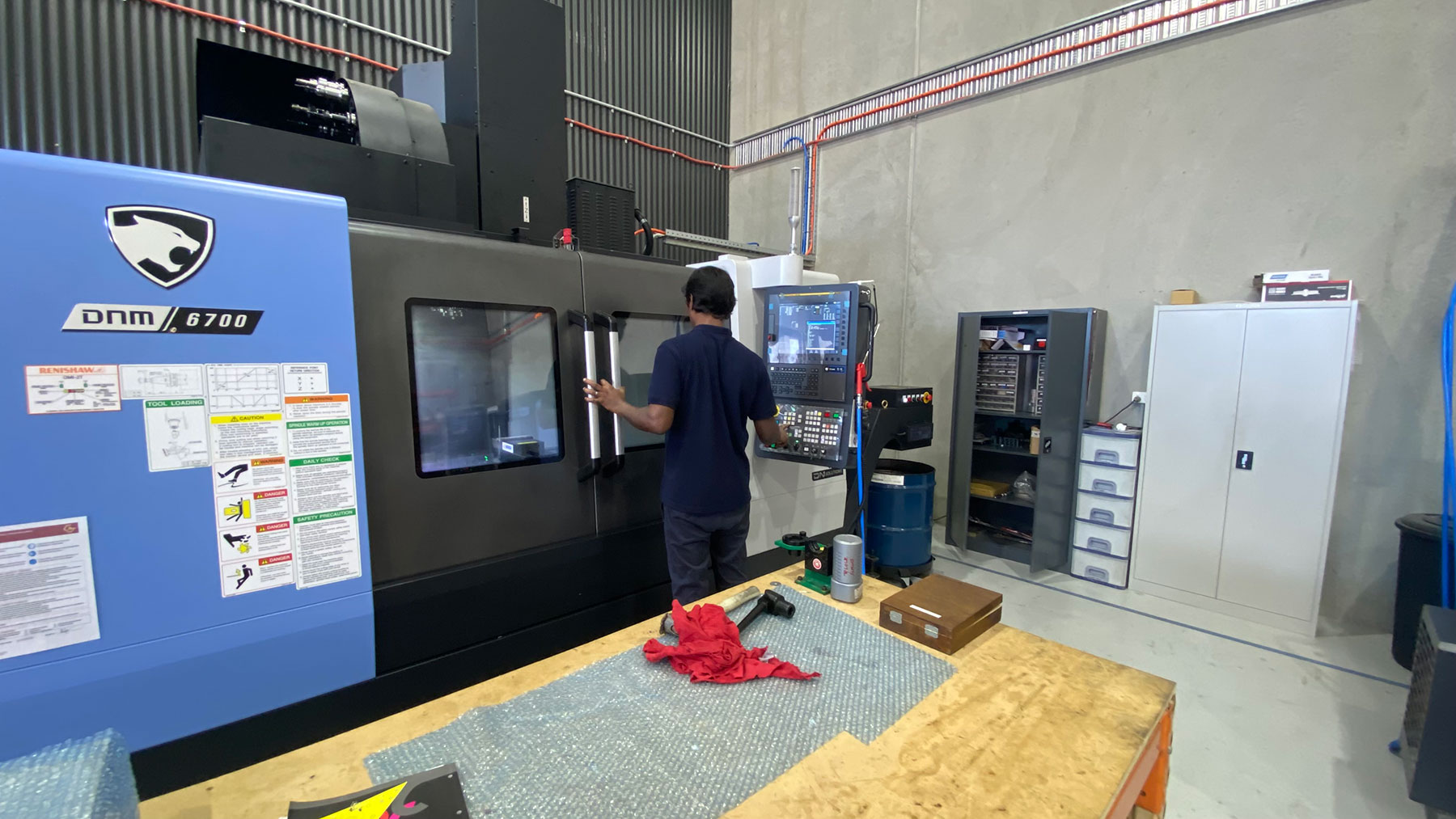
Why Quality Control Matters in CNC Machining
High-quality CNC Machining depends on more than advanced equipment. Success comes from combining skilled engineering, strict quality inspections, process optimisation, and continuous monitoring throughout production.
At Gaja Engineering, every project follows comprehensive quality control procedures to minimise machining defects while maximising precision, repeatability, and production efficiency. From prototype components to high-volume manufacturing, our experienced team delivers reliable machining solutions tailored to customer requirements.
Conclusion
Although machining defects are common manufacturing challenges, they are largely preventable with the right engineering expertise and process control. By identifying problems early and applying proven machining practices, manufacturers achieve higher product quality, lower production costs, and improved operational reliability.
If your business requires dependable CNC Machining backed by experienced engineers and rigorous quality assurance, Gaja Engineering is committed to delivering precision-engineered components that perform consistently in demanding industrial applications.
Frequently Asked Questions (FAQ)
1. What are the most common CNC machining defects?
Common defects include poor surface finish, dimensional inaccuracies, burr formation, chatter marks, tool wear, and thermal distortion.
2. What causes poor surface finish during CNC machining?
Poor surface finish is typically caused by worn cutting tools, incorrect cutting parameters, machine vibration, or unsuitable tooling.
3. How do engineers improve CNC machining accuracy?
Engineers improve accuracy through machine calibration, precision inspection equipment, tool monitoring, proper programming, and quality control.
4. Why is burr formation a problem?
Burrs can affect assembly, reduce product safety, damage mating components, and increase finishing costs.
5. How does tool wear affect CNC machining?
Tool wear reduces machining accuracy, worsens surface finish, increases cycle time, and may eventually cause tool failure if not monitored.
6. Why choose Gaja Engineering for CNC machining?
Gaja Engineering combines advanced CNC technology, skilled engineers, strict quality control, and precision manufacturing processes to deliver reliable CNC machining solutions for a wide range of industries.

