

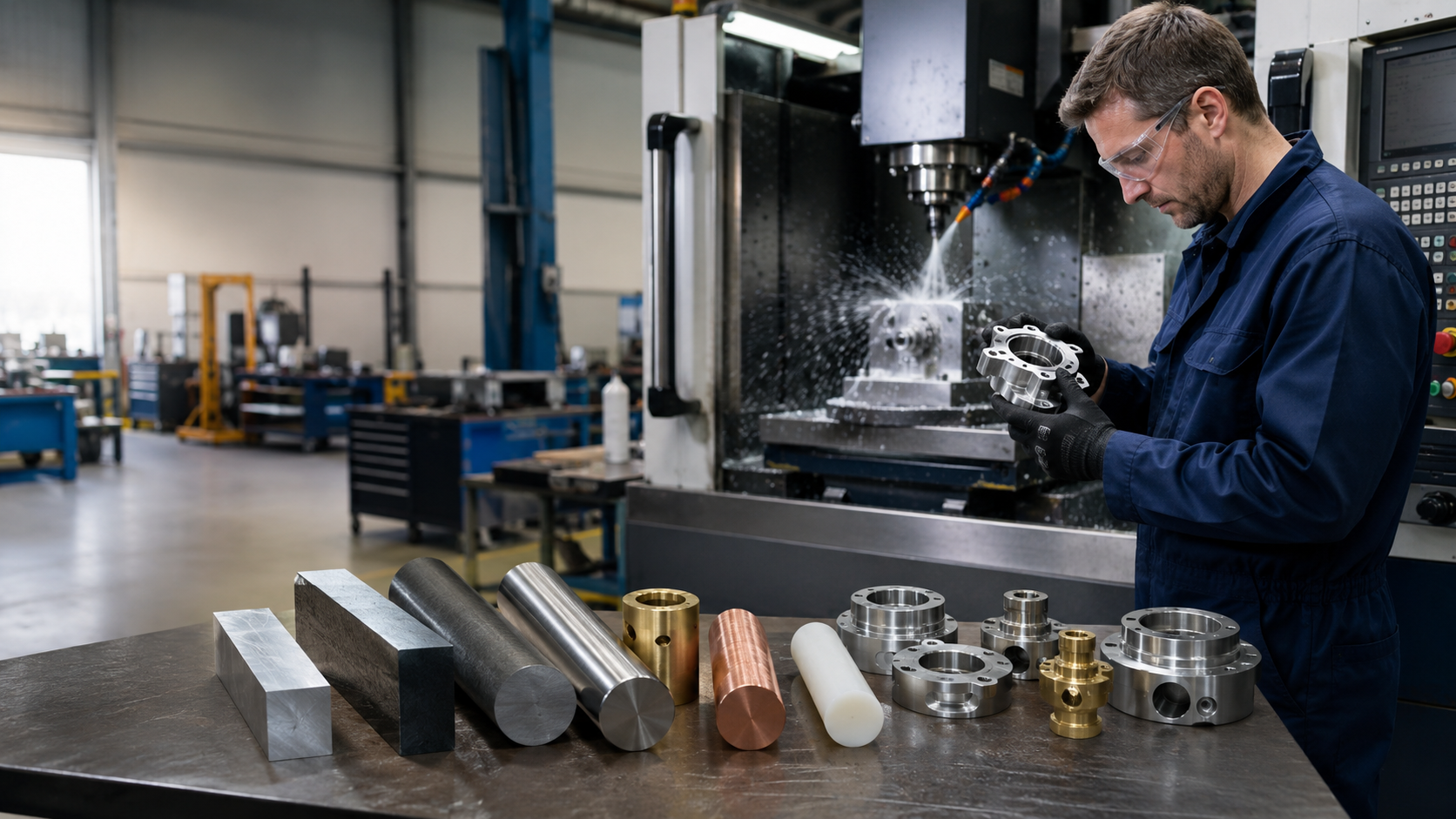
When planning a manufacturing project, material selection is one of the most important decisions affecting cost, quality, and delivery timelines. Businesses seeking reliable CNC machining and fabrication services in Adelaide often focus on design and production processes, but the material chosen can significantly influence machining efficiency, component performance, and overall project success.
At Gaja Engineering, we help manufacturers, OEMs, and procurement teams select the most suitable materials to achieve the right balance between performance, budget, and lead times.
Why Material Selection Matters in CNC Machining and Fabrication Services in Adelaide
Different materials behave differently during machining. Factors such as hardness, machinability, thermal properties, and availability directly impact production costs and delivery schedules.
Choosing the wrong material can lead to increased tooling costs, longer machining cycles, poor surface finishes, and unnecessary project delays. Selecting the right material helps maximise production efficiency and ensures components meet performance requirements.
How Materials Affect CNC Machining Costs
Material cost is only one part of the equation. Machining characteristics also influence overall production expenses.
Aluminium
Aluminium is one of the most popular CNC machining materials due to its excellent machinability and lightweight properties. It cuts quickly, reduces tool wear, and lowers machining costs, making it ideal for high-volume production.
Mild Steel
Mild steel offers good strength and affordability. While machining times are slightly longer than aluminium, it remains a cost-effective option for many industrial applications.
Stainless Steel
Stainless steel machining provides excellent corrosion resistance and durability. However, its hardness increases machining time and tool wear, resulting in higher manufacturing costs.
Brass and Copper
Brass is highly machinable and delivers excellent surface finishes, making it suitable for precision CNC machining applications. Copper offers superior electrical conductivity but can be more challenging to machine efficiently.
Engineering Plastics
Materials such as Nylon, Delrin, and PEEK provide lightweight and corrosion-resistant solutions. They often reduce machining time while delivering specific performance benefits for specialised applications.
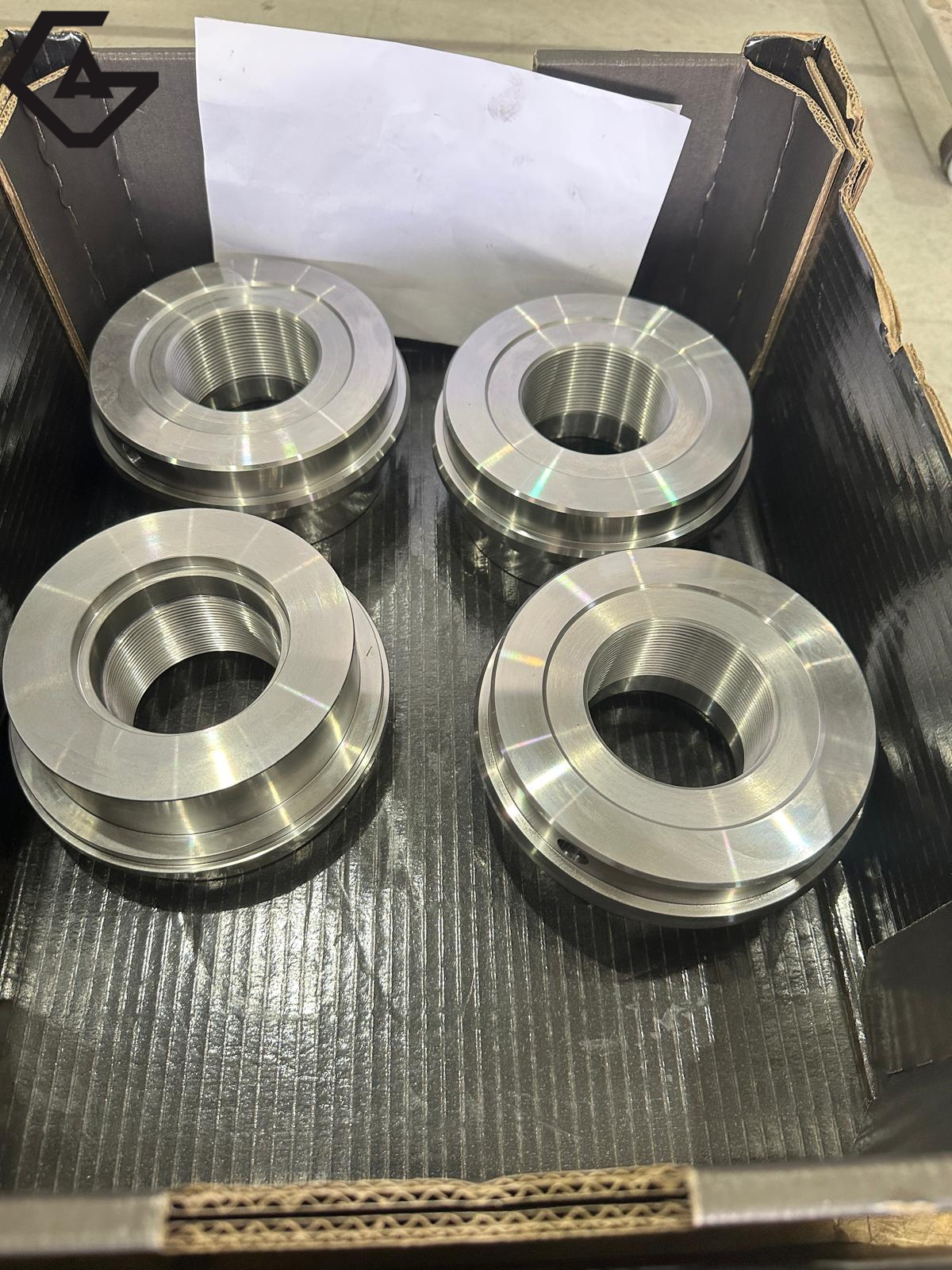
Material Selection and Component Performance
Performance requirements should always guide material selection for CNC machining.
For example:
- Aluminium offers excellent strength-to-weight ratios.
- Stainless steel performs well in harsh and corrosive environments.
- Mild steel provides durability for structural components.
- Engineering plastics reduce weight while offering chemical resistance.
At Gaja Engineering, our team evaluates operating conditions, load requirements, and environmental factors to recommend the most suitable material for each project.
The Impact on Lead Times
Lead times are heavily influenced by material availability and machining complexity.
Materials that machine easily, such as aluminium and brass, generally allow faster production cycles. Harder materials like stainless steel may require additional machining operations, tooling changes, and quality inspections, increasing production time.
Supply chain availability also plays a major role. Selecting readily available materials can help avoid procurement delays and keep projects on schedule.
By partnering with Gaja Engineering for CNC machining Adelaide projects, businesses benefit from expert material selection advice that supports faster manufacturing and predictable delivery schedules.
Why Choose Gaja Engineering?
As a trusted provider of CNC machining and fabrication services in Adelaide, Gaja Engineering combines technical expertise with practical manufacturing knowledge. Our team works closely with customers to identify the right material for every application, helping reduce costs, improve component performance, and optimise lead times.
Whether you require precision CNC machining, custom metal fabrication Adelaide services, or complete engineering fabrication services, we deliver solutions tailored to your project requirements.
Conclusion :
Material selection is a critical factor that influences machining costs, production efficiency, component performance, and delivery schedules. Choosing the right material can improve manufacturing outcomes while reducing unnecessary expenses and delays. With expert guidance from Gaja Engineering, businesses can make informed decisions that support quality, reliability, and long-term project success.
Frequently Asked Questions (FAQ)
1. What is the best material for CNC machining?
The best material depends on the application. Aluminium is popular for its machinability, while stainless steel is preferred for corrosion resistance and durability.
2. Is aluminium better than steel for CNC machining?
Aluminium is easier and faster to machine, while steel generally offers greater strength and durability for demanding applications.
3. How does material selection affect CNC machining costs?
Material hardness, machinability, tool wear, and machining time all influence overall production costs.
4. Can material selection impact manufacturing lead times?
Yes. Material availability and machining complexity can significantly affect production schedules and delivery timelines.
5. Which material provides the best surface finish?
Brass and aluminium often produce excellent surface finishes due to their superior machinability.
6. Why choose Gaja Engineering for CNC machining services in Adelaide?
Gaja Engineering delivers precision machining, reliable turnaround times, quality workmanship, and scalable manufacturing solutions tailored to Australian industries.

