

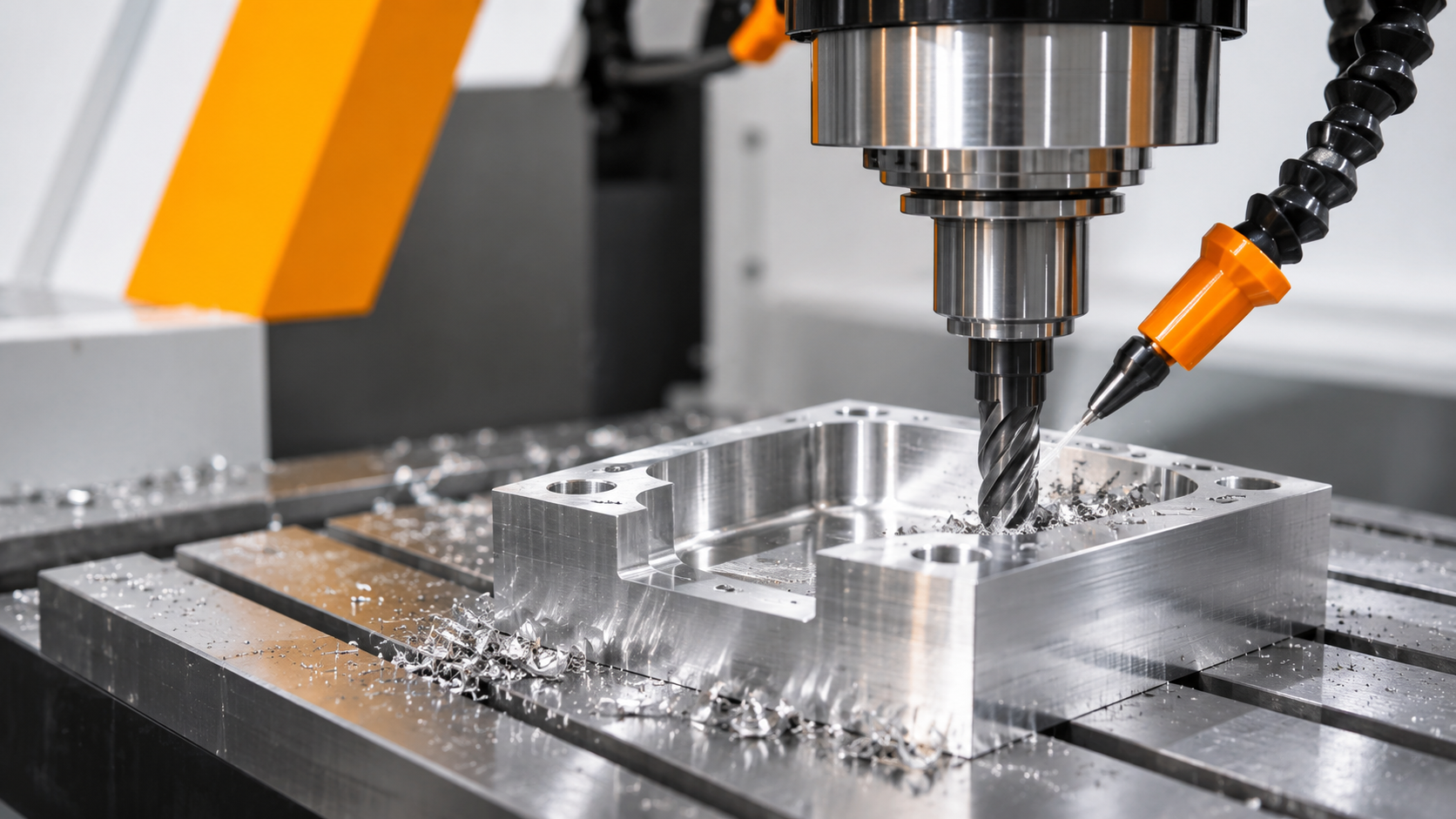
Precision and consistency are essential in modern manufacturing. From industrial machinery components to custom-engineered parts, Australian businesses need manufacturing solutions that deliver accuracy, reliability and repeatable quality. This is where professional CNC machining services in Australia play an important role.
Computer Numerical Control (CNC) machining enables manufacturers to produce complex components with exceptional precision while maintaining consistent production standards. Whether developing prototypes or manufacturing production components, CNC machining helps businesses turn engineering designs into high-quality finished products.
CNC machining services use computer-controlled machines to manufacture precise components by removing material from metal or other suitable materials. Processes such as CNC milling and CNC turning help produce accurate, repeatable and custom-engineered parts for various Australian industries.
Why Are CNC Machining Services Important for Australian Industries?
Australian manufacturing businesses operate in industries where component accuracy and reliability directly affect performance. CNC machining supports these requirements through automated and controlled manufacturing processes.
Key benefits include:
- High precision: Produces components according to specified engineering dimensions and tolerances.
- Consistent quality: Repeats machining operations with reliable results.
- Design flexibility: Manufactures complex shapes and customised components.
- Reduced material waste: Optimises cutting operations and material usage.
- Production efficiency: Supports repeatable manufacturing and shorter production workflows.
For businesses requiring precision-machined metal components in Australia, CNC technology offers a practical solution for both prototyping and production.
What Types of CNC Machining Processes Are Available?
Different machining processes are selected depending on component geometry, material and application.
1. CNC Milling
CNC milling uses rotating cutting tools to remove material from a workpiece. It is suitable for producing flat surfaces, slots, pockets, holes and complex component geometries.
2. CNC Turning
CNC turning rotates the workpiece against a cutting tool to create cylindrical components. It is commonly used for shafts, bushes, pins and other round engineering parts.
3. Custom Precision Machining
Custom CNC machining supports components designed to meet specific engineering requirements. It is useful for businesses needing specialised parts, prototypes and repeat production components.
Which Industries Benefit from CNC Machining?
CNC machining supports a wide range of Australian industries, including:
- Automotive: Precision components and specialised mechanical parts.
- Mining: Custom-machined parts for industrial equipment and machinery.
- Agriculture: Components for agricultural machinery and equipment.
- Construction: Engineered metal components for industrial applications.
- OEM manufacturing: Custom components developed to meet product design specifications.
For OEM manufacturers, precision CNC machining can help transform product designs into functional components while supporting consistent manufacturing quality.
How to Choose the Right CNC Machining Partner in Australia?
Choosing a machining partner involves more than comparing prices. Businesses should consider machining capabilities, material experience, engineering support, quality control and production requirements.
Before selecting a CNC machining company in Australia, consider:
- Whether the manufacturer can meet your component specifications.
- Its experience with the required materials and machining processes.
- Its ability to support prototype and production requirements.
- Its quality assurance and inspection procedures.
- Its communication, turnaround times and technical support.
Working with an experienced engineering partner can help reduce manufacturing challenges and improve project outcomes.
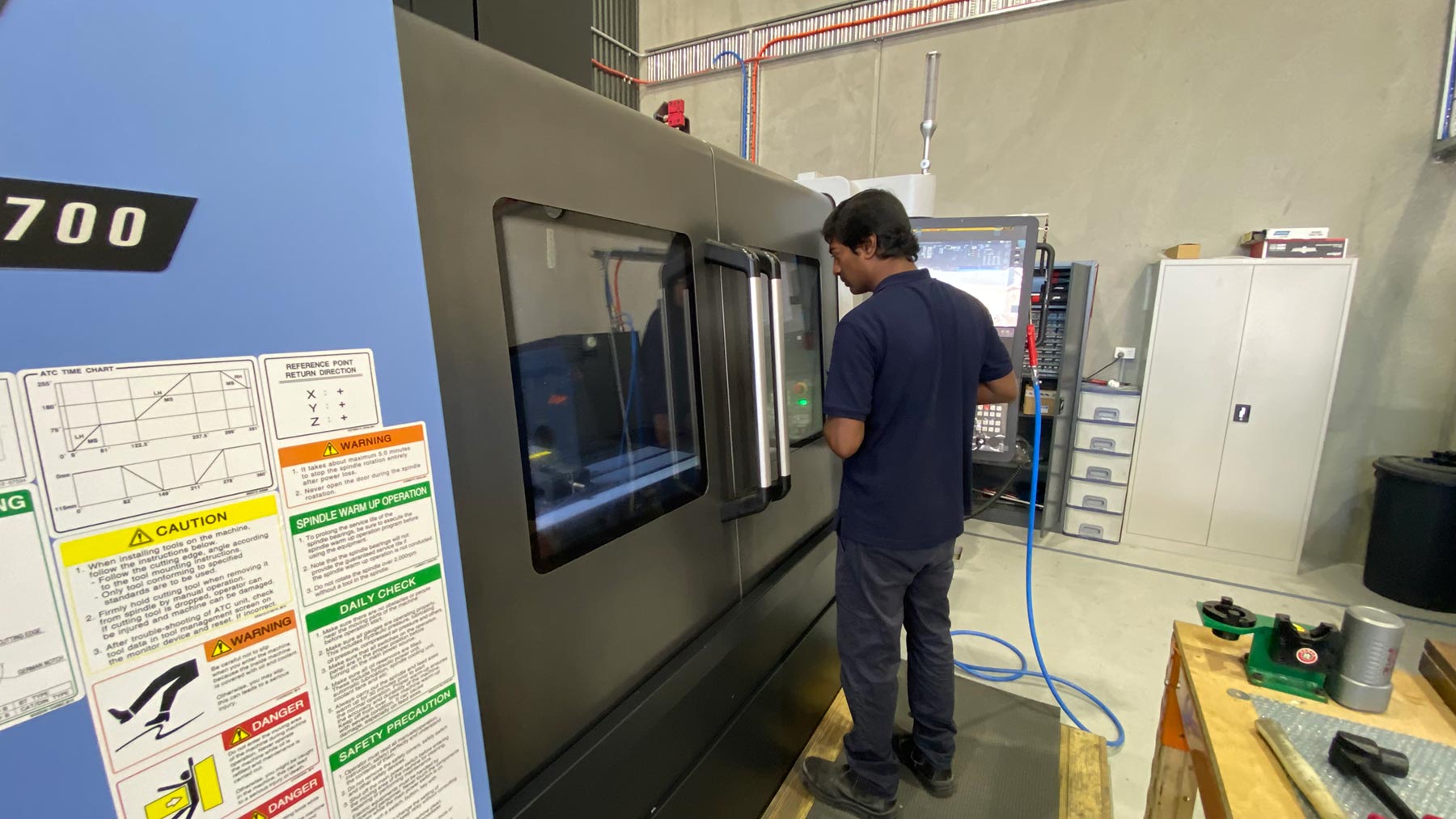
Why Consider Gaja Engineering for Your Machining Requirements?
Gaja Engineering Pty Ltd, based in Adelaide, South Australia, provides engineering, CNC machining and metal fabrication solutions for industrial and manufacturing requirements.
Whether you are developing a prototype, sourcing custom-machined components or planning a manufacturing project, discuss your requirements with the Gaja Engineering team to explore a suitable engineering solution.
Ready to discuss your next engineering project?
Conclusion
CNC machining is an important part of modern Australian manufacturing, helping businesses achieve precision, consistency and customised component production. Selecting the right engineering partner can make a significant difference to product quality and manufacturing efficiency.
Are you currently sourcing CNC-machined components or planning a new manufacturing project? Share this article with your network, leave your feedback in the comments, and tell us what challenges you face when sourcing precision-engineered components.
Connect with Gaja Engineering to explore how the right machining solution can support your next project.
Frequently Asked Questions (FAQ)
1. What are CNC machining services?
CNC machining services use computer-controlled equipment to manufacture components by removing material from a workpiece. Common processes include CNC milling, CNC turning and drilling, producing accurate components for industrial, automotive, mining and manufacturing applications.
2. What industries use CNC machining in Australia?
CNC machining is widely used in mining, automotive, construction, agriculture, defence, transport and general manufacturing. These industries rely on precision-machined components for machinery, equipment, prototypes and replacement parts.
3. What is the difference between CNC milling and CNC turning?
CNC milling uses rotating cutting tools to remove material from a stationary workpiece. CNC turning rotates the workpiece against a cutting tool to produce cylindrical components such as shafts, pins and bushes.
4. Can CNC machining produce custom-engineered components?
Yes. CNC machining can manufacture customised components based on engineering drawings, CAD models and specified dimensions. It supports prototype development, specialised replacement parts and repeat production for industrial applications.
5. What materials can be used in CNC machining?
CNC machining can process various engineering materials, including aluminium, stainless steel, carbon steel, brass and suitable engineering plastics. Material selection depends on component strength, durability, operating environment and application requirements.
6. Why choose a local CNC machining company in Adelaide?
Choosing a local CNC machining company can improve communication, simplify project coordination and provide easier access to engineering support. Gaja Engineering offers CNC machining capabilities in Adelaide, supporting businesses with custom components and manufacturing requirements.

