

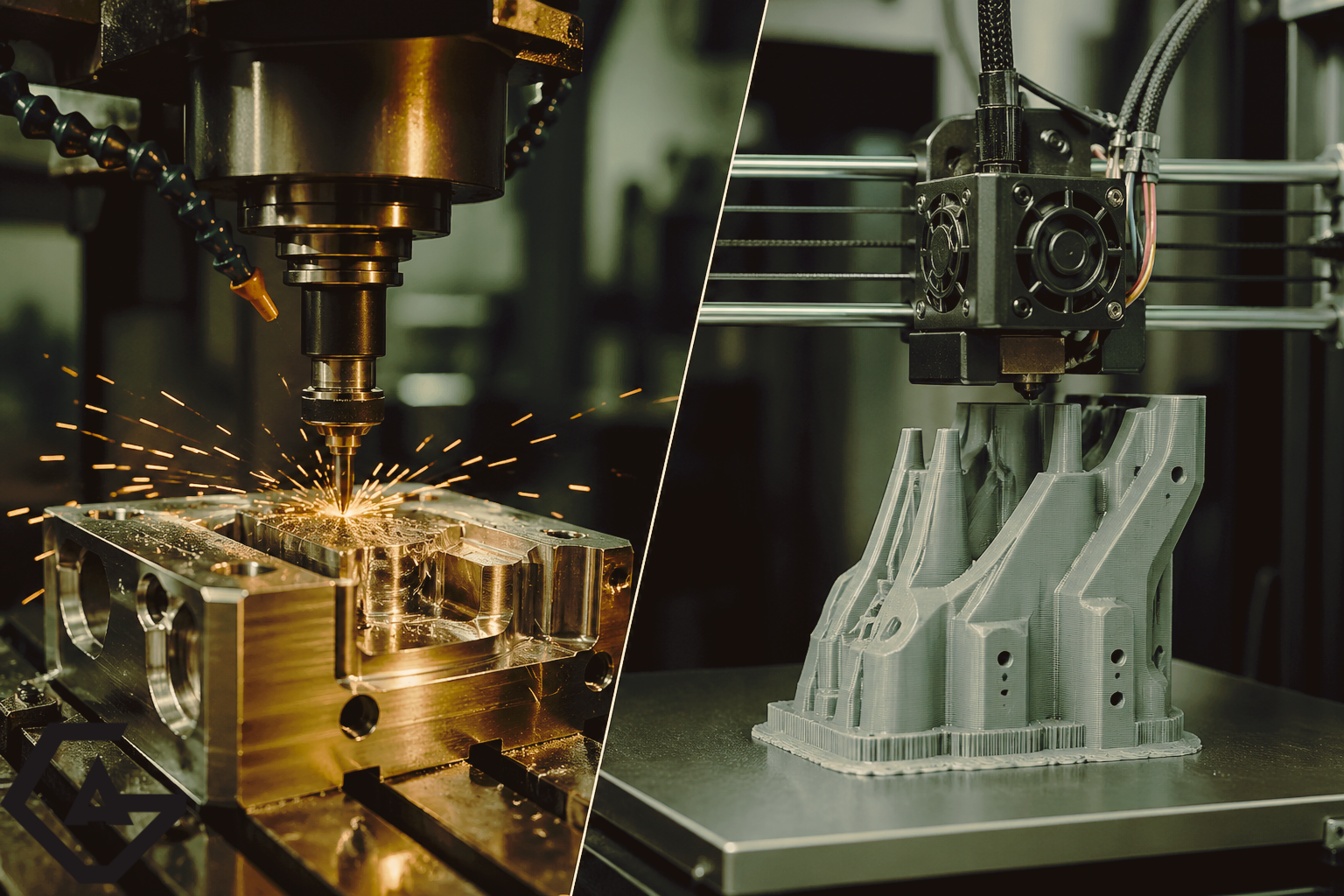
In modern OEM manufacturing, choosing the right production method is not just a technical decision—it’s a strategic one. Businesses evaluating CNC machining services in Adelaide against 3D printing must consider scalability, cost efficiency, and production reliability.
At Gaja Engineering, the focus is clear: deliver manufacturing solutions that don’t just work in prototypes but perform at scale.
Understanding the Core Difference
CNC machining is a subtractive process, removing material to create highly precise components.
3D printing, on the other hand, builds parts layer by layer, ideal for rapid prototyping.
While both technologies have their place, OEM production demands consistency, durability, and repeatability—areas where differences become critical.
Scalability: The Deciding Factor
When production moves from 10 units to 10,000, scalability defines success.
- CNC machining services in Adelaide offer repeatable accuracy with tight tolerances across large volumes.
- 3D printing struggles with speed and cost when scaling beyond small batches.
For OEMs, downtime or inconsistency translates directly into lost revenue. CNC machining ensures stable output across production cycles.
Cost Efficiency in Production
3D printing is cost-effective for low-volume prototypes. However:
- Material costs are higher
- Build times increase per unit
- Post-processing adds overhead
In contrast, CNC machining becomes more economical as volume increases. Bulk production reduces per-unit cost, making it the preferred option for OEMs focused on long-term profitability.
Material Strength & Industry Application
OEM sectors like mining, transport, and heavy equipment require components that withstand stress.
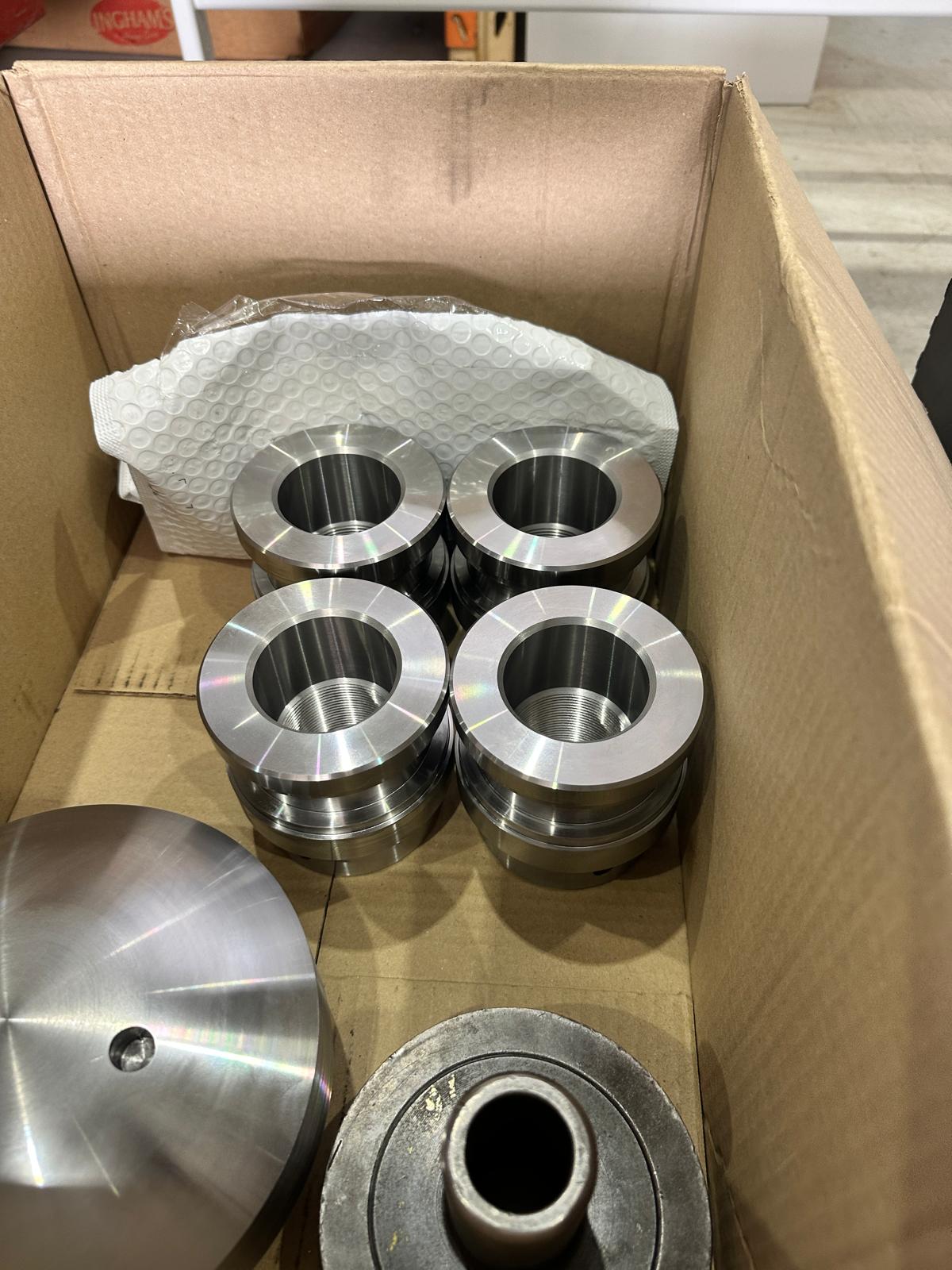
- CNC machining supports industrial-grade metals such as steel, aluminium, and alloys
- 3D printing materials often lack the same structural integrity
For industries operating in demanding environments, CNC machining is not optional—it’s essential.
Speed vs Throughput
3D printing wins in rapid prototyping. But production is a different game.
- CNC machining delivers faster throughput for batch production
- Machines can run continuously with minimal variation
At Gaja Engineering, integrating CNC machining into production workflows ensures clients meet deadlines without compromising quality.
Why OEMs Choose CNC Machining in Adelaide
Adelaide has become a hub for advanced manufacturing, and businesses rely on CNC machining services in Adelaide for:
- Precision engineering
- Reliable turnaround times
- Local support and reduced logistics delays
Gaja Engineering leverages this ecosystem to deliver scalable, high-performance solutions tailored for OEM clients.
Final Verdict: Which Scales Better?
For OEM manufacturing:
- 3D Printing → Best for prototyping and design validation
- CNC Machining → Best for scalable, high-volume production
If your goal is consistent quality, cost control, and industrial durability, CNC machining is the clear winner.
Frequently Asked Questions (FAQ)
1. Is CNC machining better than 3D printing for production?
Yes, CNC machining is better suited for high-volume production due to its precision and scalability.
2. When should OEMs use 3D printing?
Primarily for prototyping, design testing, and low-volume custom parts.
3. Are CNC machining services in Adelaide cost-effective?
Yes, especially for medium to large production runs where per-unit cost decreases significantly.
4. What industries benefit most from CNC machining?
Mining, transport, defence, and heavy equipment manufacturing.
5. Can CNC machining handle complex designs?
Absolutely. Modern CNC systems can produce highly complex geometries with tight tolerances.
6. Why choose Gaja Engineering for CNC machining?
Gaja Engineering combines precision, scalability, and industry expertise to deliver reliable OEM manufacturing solutions.

