

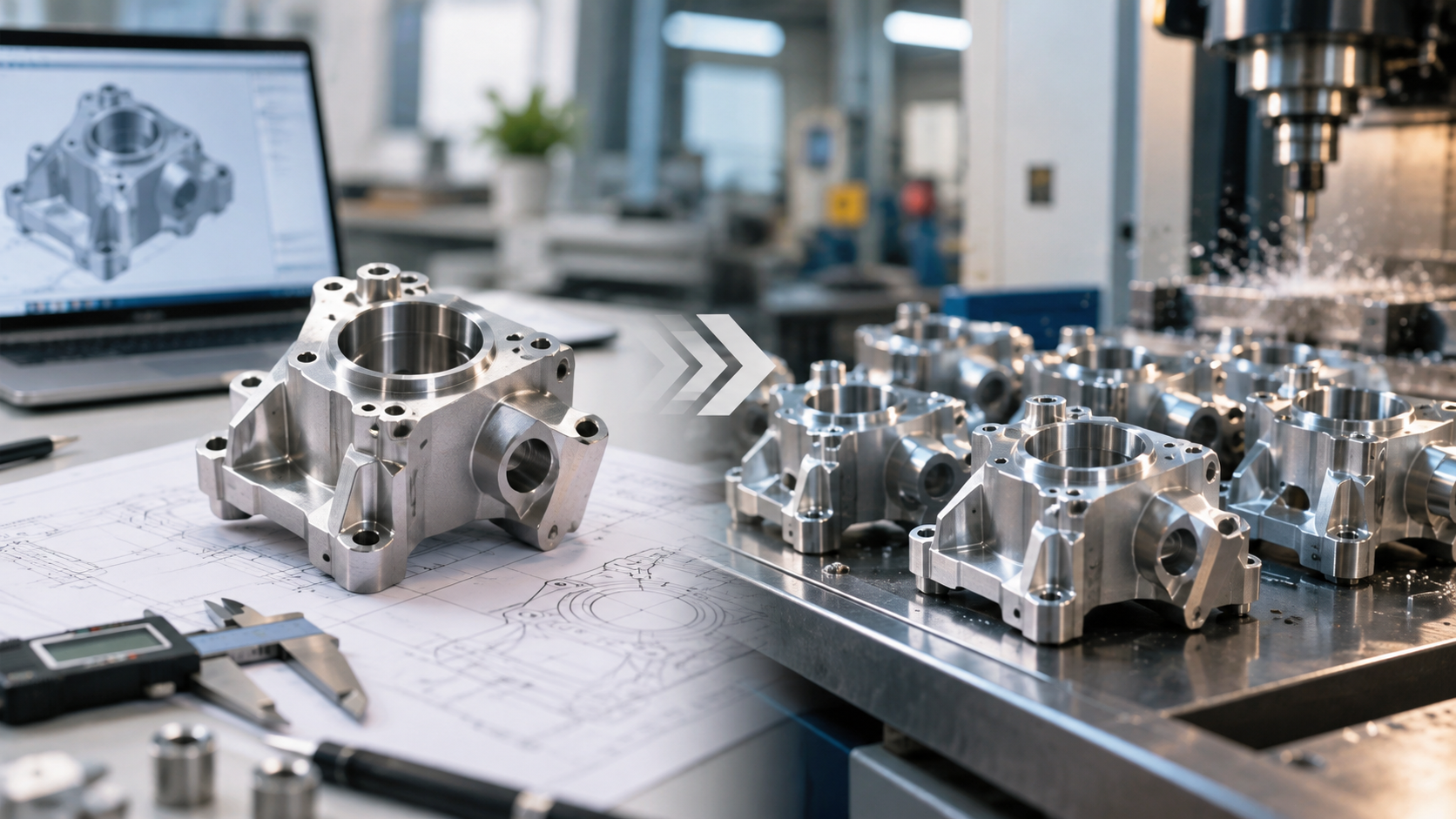
Turning a successful prototype into a production-ready product is an important milestone for any engineering business. However, moving from a single component to a small production batch requires careful planning, cost control and consistent quality.
For Australian manufacturers, OEMs and product developers, low-volume manufacturing offers a practical way to validate designs, meet early customer demand and prepare for larger production runs without committing to expensive tooling too early. By combining design optimisation, CNC machining and effective quality control, businesses can move from prototype to production with greater confidence.
What Is Low-Volume Manufacturing?
Low-volume manufacturing is the production of a limited number of components or products before full-scale manufacturing begins. It allows businesses to test product performance, confirm manufacturing processes and meet specialised requirements while maintaining flexibility.
Depending on the component and production method, small-batch manufacturing can involve CNC machining, metal fabrication or other suitable manufacturing processes. The right approach depends on material, complexity, quantity and expected future demand
1. Validate Your Prototype Before Production
A working prototype demonstrates that a design can perform its intended function, but it does not automatically guarantee economical, repeatable production.
Before scaling up, review the component’s dimensions, tolerances, material selection, assembly requirements and operating conditions. Identify any design changes needed to improve performance or simplify manufacturing.
For businesses seeking prototype manufacturing in Australia, resolving these issues early can help reduce rework, material waste and avoidable production costs.
2. Optimise the Design for Manufacturability
Design for Manufacturability (DFM) helps engineers create components that are easier and more cost-effective to produce.
Review features such as unnecessarily tight tolerances, complex geometries, deep pockets and difficult tool access. Where appropriate, simplify the design without compromising strength, function or safety.
Working with an experienced manufacturing partner during this stage can identify opportunities to reduce machining time and improve consistency before production begins.
3. Choose the Right Manufacturing Process
Selecting the right process is essential when moving from a prototype to a small production run.
-
CNC machining: Suitable for precision components, complex geometries and metal parts where design flexibility matters.
-
Metal fabrication: Appropriate for components and assemblies requiring cutting, forming, welding or other fabrication operations.
-
Other production methods: Depending on material and quantity, processes such as injection moulding may become more economical when demand increases.
For many engineering projects, CNC machining for low-volume production offers a useful balance of precision, flexibility and repeatability without requiring moulds or dies. Compare the total cost of setup, tooling, machining, finishing and inspection before making a decision.
4. Control Costs and Maintain Quality
Low-volume production requires more than simply manufacturing additional parts. Each component must meet the required specifications throughout the production run.
Establish clear inspection criteria, verify critical dimensions, confirm material requirements and document the approved manufacturing process. Standardised setups, suitable fixtures and consistent inspection procedures can help improve repeatability.
To reduce low-volume manufacturing costs, provide complete engineering drawings, accurate CAD files and clear requirements for tolerances, surface finishes and quantities. These details help manufacturers assess the job and identify potential production efficiencies.
5. Plan for Future Production Growth
Low-volume manufacturing should prepare your business for its next stage of growth.
Track production costs, identify recurring quality issues and collect feedback from customers and assembly teams. Use these insights to refine the design and determine when increased demand may justify automation, dedicated tooling or a different manufacturing process.
A planned transition from prototype to production helps Australian businesses respond to changing market demand while managing investment and production risk.
Why Choose the Right Manufacturing Partner?
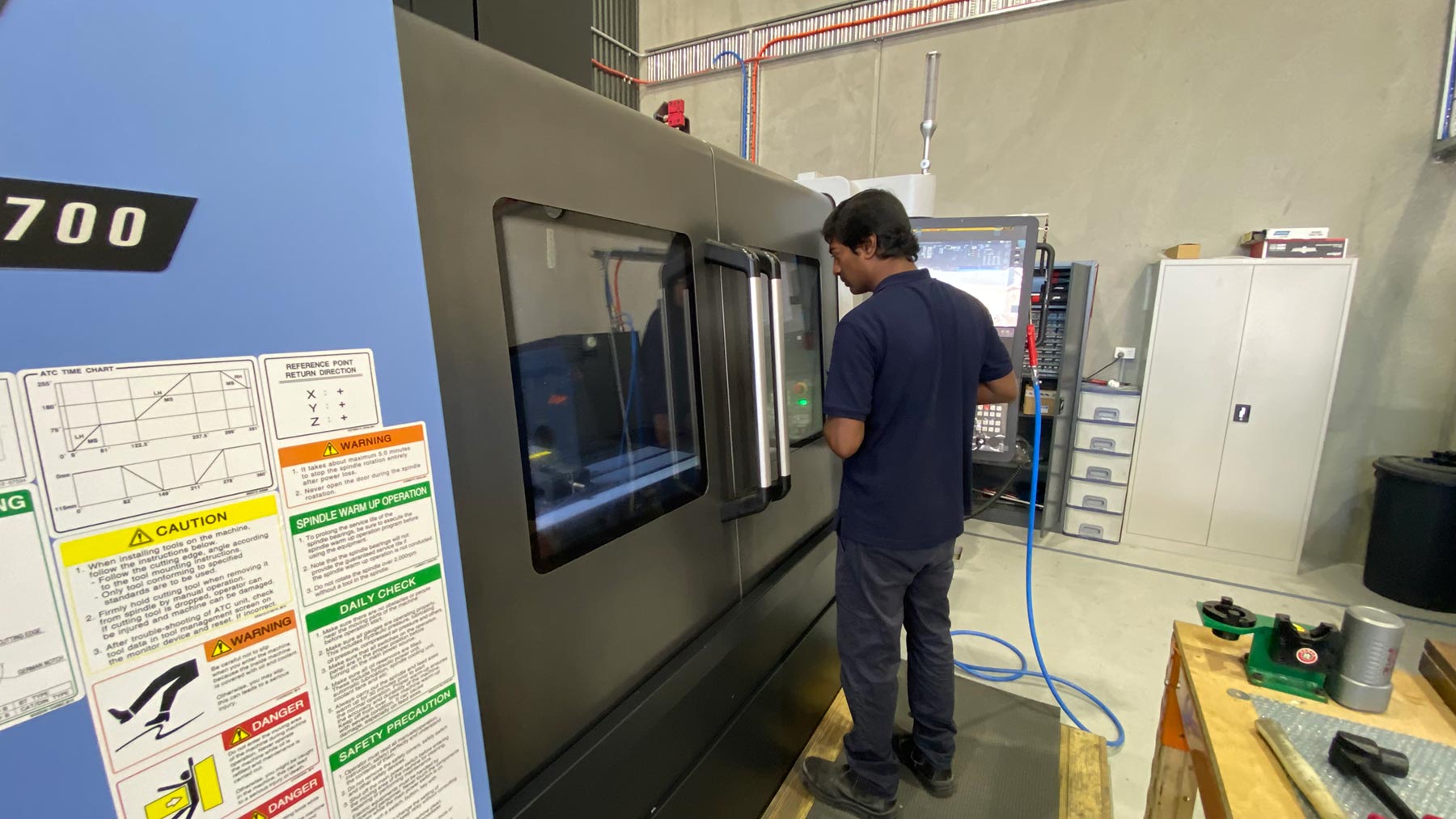
An experienced engineering partner can help you assess manufacturability, select appropriate production methods and establish a reliable process for repeat orders. Clear communication between designers, engineers and manufacturers is essential for achieving the right balance between quality, cost and delivery requirements.
GAJA Engineering supports engineering and manufacturing requirements through its relevant capabilities. Businesses developing new components can explore its services to identify a suitable next step for their project.
Conclusion: Turn Your Prototype into Production
Moving from prototype to low-volume manufacturing is an opportunity to improve your design, strengthen quality control and build a scalable production process. With the right planning, manufacturing method and engineering support, businesses can take the next step towards reliable production while keeping costs under control.
Are you planning to move your next engineering project into production? Explore GAJA Engineering’s capabilities and discuss your manufacturing requirements.
If you found this guide useful, share it with your engineering team or professional network. We would also welcome your feedback: What is the biggest challenge you face when moving from prototype to production?
Frequently Asked Questions (FAQ)
1. What is the difference between prototyping and low-volume manufacturing?
Prototyping creates initial parts to test a design, while low-volume manufacturing produces small batches of components with greater emphasis on repeatability, quality control and production efficiency
2. When should a business move from prototype to production?
A business should consider moving to production when the design has been validated, critical requirements are confirmed, material choices are finalised and the manufacturing process can consistently produce acceptable parts.
3. Is CNC machining suitable for low-volume manufacturing?
Yes. CNC machining is often suitable for low-volume manufacturing because it produces accurate components without requiring moulds or dies. Its suitability depends on part complexity, material, machining time and production quantity.
4. How can manufacturers reduce low-volume production costs?
Manufacturers can reduce costs by optimising designs for manufacturability, avoiding unnecessary tight tolerances, selecting suitable materials, reducing setup time and planning inspection requirements early.
5. What information is needed to request a manufacturing quote?
A manufacturing quote typically requires engineering drawings or CAD files, material specifications, required quantities, tolerances, surface finish requirements and any relevant quality or delivery requirements.
6. When should a business move from low-volume to mass production?
A business should consider mass production when demand becomes consistent and the expected savings from automation or dedicated tooling justify the initial investment. The best transition point depends on total production costs and future demand.

