

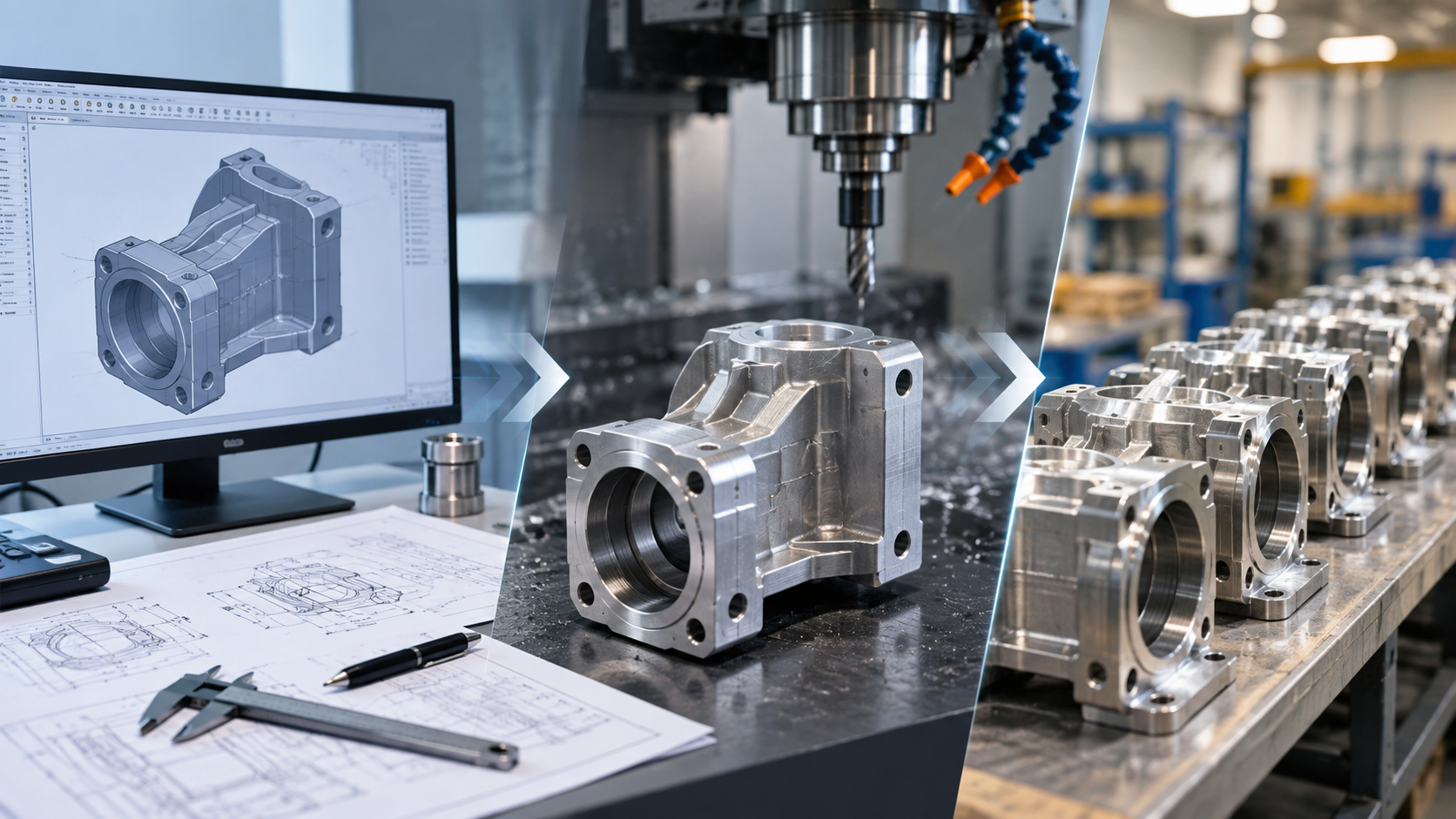
Turning an engineering drawing into a production-ready product requires more than simply sending a file to a manufacturer. Australian OEMs need engineering knowledge, prototyping, precision machining, fabrication and production planning working together. OEM manufacturing in Australia can shorten the journey from engineering drawings to finished components while reducing development risks, production errors and unnecessary delays.
For businesses developing industrial equipment, machinery or specialised components, choosing the right manufacturing partner early in the product development process can make a significant difference to time-to-market and long-term production costs.
How Does OEM Manufacturing Accelerate Product Development?
OEM manufacturing accelerates product development by connecting engineering, prototyping, machining, fabrication and production into one coordinated workflow. Instead of treating design and manufacturing as separate stages, an experienced OEM manufacturer can identify potential production issues early, validate prototypes and prepare the design for repeatable manufacturing.
Gaja Engineering supports this approach by converting R&D drawings into prototypes and providing manufacturing support through CNC machining, fabrication and production capabilities.
1. Engineering Drawings Become Production-Ready Designs
A drawing may describe exactly what a component should look like, but manufacturing engineers also need to consider tolerances, material selection, machining access, fabrication requirements and production methods.
Working with an OEM manufacturer in Australia early allows potential manufacturing challenges to be identified before production begins.
This can help manufacturers:
- Reduce design changes later
- Improve manufacturability
- Select appropriate materials
- Identify unnecessary complexity
- Prepare components for repeat production
Gaja Engineering specifically focuses on reducing errors during the transition from design to execution and developing products that can be adapted for mass production.
2. Prototyping Validates the Product Before Production
Moving directly from engineering drawings to large-scale production can create unnecessary financial risk.
Precision prototyping gives OEMs an opportunity to test dimensions, fit, functionality and assembly before committing to larger production quantities.
For Australian businesses searching for prototype manufacturing services, this stage can provide valuable feedback while changes are still relatively inexpensive.
Gaja Engineering provides prototype and component manufacturing capabilities using CNC machining and related manufacturing technologies.
3. CNC Machining Improves Precision and Repeatability
Once a prototype has been validated, CNC machining can help transition the product into repeatable production.
Gaja Engineering operates 4-axis CNC machining capabilities and provides milling and turn-mill services for components including housings, plates, moulds, shafts, fasteners and replacement parts.
For companies requiring precision CNC machining in Australia, combining engineering knowledge with manufacturing capability can help maintain dimensional consistency while supporting production requirements.
4. Integrated Manufacturing Can Reduce Lead Times
One of the biggest advantages of working with an integrated manufacturing partner is communication.
When engineering, prototyping, CNC machining and fabrication are coordinated through the same manufacturing workflow, technical information does not need to pass between multiple disconnected suppliers.
This can help reduce:
- Communication delays
- Rework
- Design misunderstandings
- Supplier coordination
- Production bottlenecks
For Australian manufacturers competing on delivery times, a streamlined engineering-to-production manufacturing process can become a significant competitive advantage.
5. Design for Manufacturability Supports Scalable Production
A product that works as a prototype is not automatically optimised for production.
Design for Manufacturability (DFM) considers how a component can be produced efficiently, consistently and economically at the required production volume.
The goal is simple: design it correctly, manufacture it efficiently and repeat it reliably.
Gaja Engineering’s approach combines product development, prototyping and manufacturing expertise to help businesses develop solutions suitable for production.
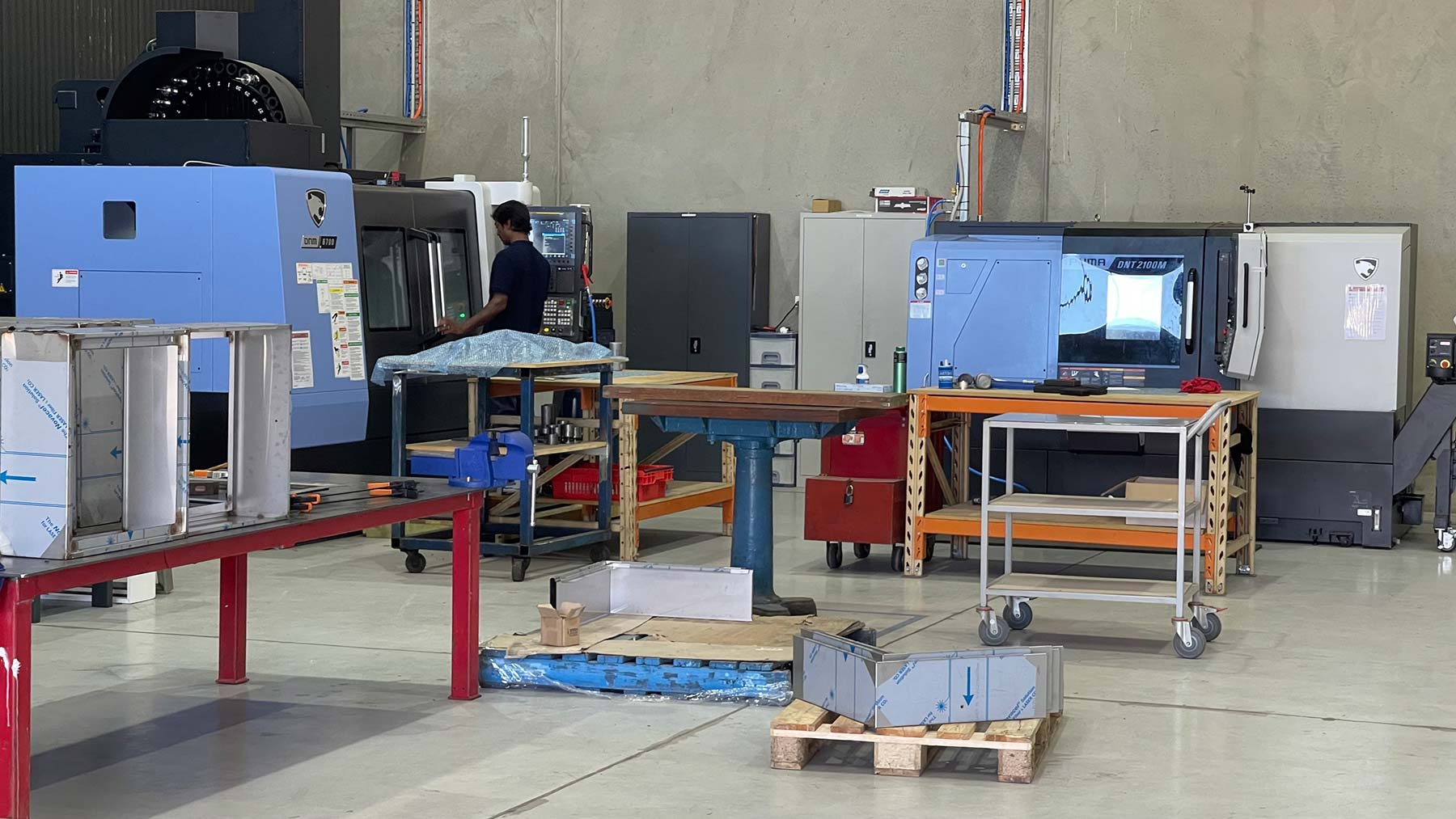
Why Choose Gaja Engineering for OEM Manufacturing?
Gaja Engineering provides an integrated pathway from engineering drawings to prototypes and production, supporting Australian and international clients with precision manufacturing and engineering solutions.
Its capabilities include OEM/ODM manufacturing, CNC machining and metal fabrication, with manufacturing infrastructure designed to support different component and production requirements.
Looking for an OEM manufacturing partner in Australia?
Send your 2D drawing, STEP file or physical model to discuss your next manufacturing project.
Conclusion
The journey from an engineering drawing to a production-ready product becomes faster and more predictable when engineering and manufacturing work together from the beginning. OEM manufacturing can help Australian businesses validate designs, improve manufacturability, reduce development risks and transition more efficiently into repeat production.
If your business is developing a new component or industrial product, Gaja Engineering can help turn your engineering concept into a practical manufacturing solution.
Found this article useful? Share it with your engineering, procurement or manufacturing network and let us know your experience with OEM manufacturing in Australia. Your feedback can also help us create more useful manufacturing insights for Australian industry.
Frequently Asked Questions (FAQ)
1. What is OEM manufacturing?
OEM manufacturing is a process where a manufacturer produces products or components according to another company’s engineering designs, specifications or requirements.
2. How does OEM manufacturing accelerate product development?
OEM manufacturing accelerates product development by combining engineering, prototyping, manufacturing and production expertise, helping identify design and production issues earlier.
3. What is the benefit of prototyping before production?
Prototyping allows businesses to test product dimensions, functionality, fit and manufacturability before committing to larger production quantities.
4. What is Design for Manufacturability?
Design for Manufacturability, or DFM, is an engineering approach that optimises a product design so it can be manufactured efficiently, consistently and cost-effectively.
5. Can CNC machining be used for OEM manufacturing?
Yes. CNC machining is widely used for producing precise OEM components, prototypes, replacement parts and production components from metals and engineering-grade materials.
6. Why choose an Australian OEM manufacturer?
Working with an Australian OEM manufacturer can provide closer communication, easier project coordination, local engineering support and greater visibility throughout the product development and manufacturing process.

