

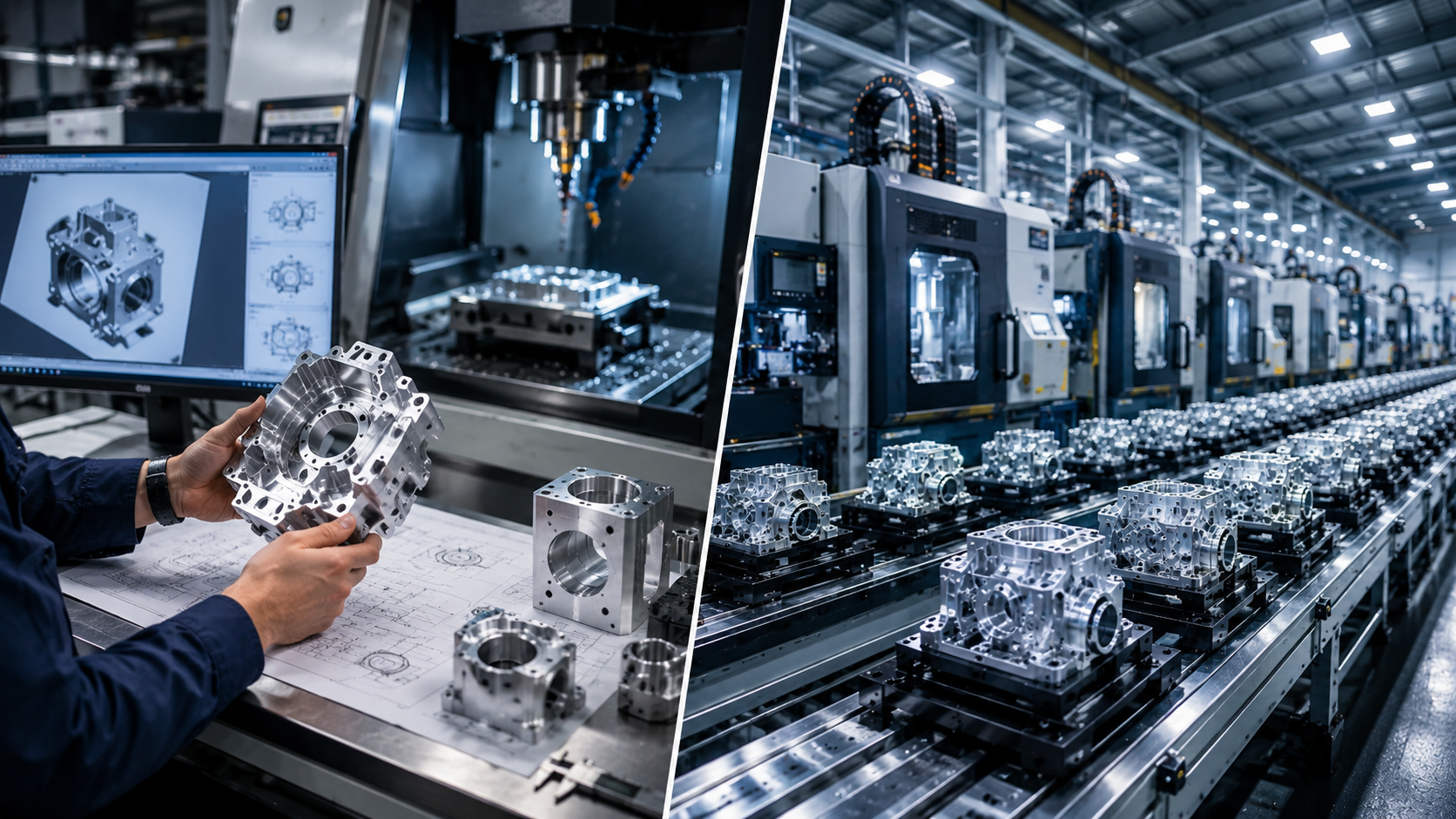
When selecting a manufacturing partner, one of the most important decisions is whether low-volume or high-volume production is the right fit for your project. Understanding the differences can help businesses reduce costs, improve lead times, and maintain quality standards. If you’re looking for reliable CNC machining services in Adelaide, knowing which production approach suits your needs is essential.
What Is Low-Volume CNC Machining?
Low-volume CNC machining typically involves producing a limited number of parts, often ranging from a few prototypes to several hundred units. This approach is ideal for product development, custom components, replacement parts, and specialised industrial applications.
Benefits of Low-Volume Production
- Faster design modifications
- Lower upfront investment
- Ideal for prototypes and testing
- Reduced inventory costs
- Greater manufacturing flexibility
Businesses in industries such as mining, transport, agriculture, and industrial equipment often choose low-volume CNC machining when product requirements may change over time.
What Is High-Volume CNC Machining?
High-volume CNC machining focuses on producing large quantities of components with consistent quality and precision. Once a design has been finalised, manufacturers can optimise production processes to increase efficiency and reduce per-unit costs.
Benefits of High-Volume Production
- Lower cost per component
- Consistent product quality
- Faster production rates
- Improved operational efficiency
- Suitable for ongoing manufacturing demands
For OEMs and large-scale manufacturers, high-volume production offers the scalability needed to support growing market demand.
Low-Volume vs High-Volume CNC Machining
Low-volume projects generally have higher costs per part due to shorter production runs. High-volume manufacturing spreads setup costs across more units, reducing the overall cost per component.
Flexibility
Low-volume machining offers greater flexibility for design changes and customisation. High-volume production is best suited for stable designs with predictable demand.
Lead Times
Low-volume projects can often be delivered quickly, especially for prototypes. High-volume production may require additional setup but provides greater efficiency over large runs.
Quality Control
Both approaches can deliver exceptional quality when handled by an experienced machining partner. The key is working with a company that maintains strict quality standards throughout the production process.
Choosing the Right CNC Machining Partner
The best choice depends on your production goals, budget, and long-term business strategy. Whether you need a small batch of precision-engineered components or large-scale manufacturing support, selecting the right supplier is critical.
At Gaja Engineering, we provide professional CNC machining services in Adelaide tailored to both low-volume and high-volume production requirements. Our team works closely with clients across multiple industries to deliver precision, consistency, and reliable turnaround times.
Conclusion
Both low-volume and high-volume CNC machining offer unique advantages. Low-volume production provides flexibility and rapid development, while high-volume manufacturing delivers efficiency and cost savings at scale. By understanding your project requirements, you can choose the production method that delivers the best value for your business.
If you’re seeking dependable CNC machining services in Adelaide, Gaja Engineering has the expertise, technology, and industry experience to support your manufacturing goals.
Frequently Asked Questions (FAQ)
1. What is considered low-volume CNC machining?
Low-volume CNC machining typically refers to production runs ranging from a few parts to several hundred units.
2. What industries use low-volume CNC machining?
Mining, agriculture, transport, defence, and industrial manufacturing commonly use low-volume CNC machining.
3. Is high-volume CNC machining more cost-effective?
Yes. High-volume production generally reduces the cost per unit by spreading setup costs across larger quantities.
4. Can CNC machining be used for prototypes?
Absolutely. CNC machining is widely used for prototype development due to its precision and flexibility.
5. How do I choose between low-volume and high-volume production?
Consider factors such as budget, required quantity, design stability, lead times, and future demand.
6. Why choose Gaja Engineering for CNC machining services in Adelaide?
Gaja Engineering delivers precision machining, reliable turnaround times, quality workmanship, and scalable manufacturing solutions tailored to Australian industries.

