

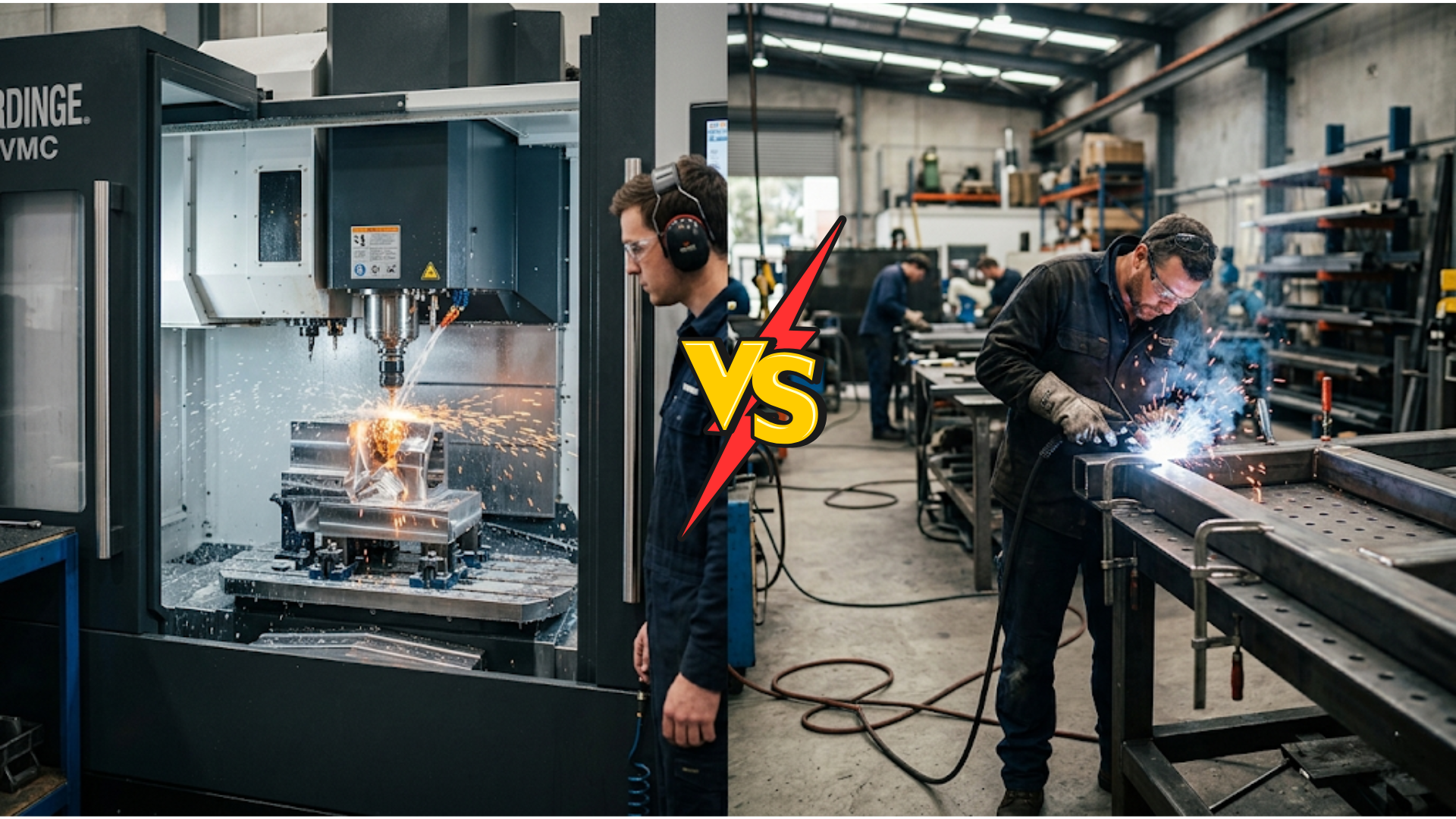
In large-scale manufacturing, choosing the right process is critical for performance, cost, and long-term scalability. For businesses evaluating CNC machining services in Adelaide against fabrication, the decision comes down to precision, volume, and application.
At Gaja Engineering, we help manufacturers align the right process with their production goals—ensuring efficiency from prototype to full-scale output.
Understanding the Difference
CNC machining is a precision-driven process where material is removed using computer-controlled tools to achieve exact specifications.
Fabrication, on the other hand, involves cutting, welding, and assembling materials to create structures or components.
Both are essential—but they serve different purposes in manufacturing.
Precision vs Flexibility
When it comes to tight tolerances and repeatability:
- CNC machining services in Adelaide deliver micron-level accuracy
- Ideal for complex parts and consistent replication
Fabrication offers:
- Greater flexibility for large structures
- Faster turnaround for non-precision builds
 For OEM components requiring exact fit and finish, CNC machining is the clear choice.
Cost Efficiency at Scale
Fabrication can be cost-effective for:
- Large frames
- Structural components
- Low-precision applications
However, as production scales:
- CNC machining reduces per-unit cost
- Minimises rework and errors
- Improves long-term efficiency
For manufacturers focused on scaling, CNC machining offers stronger cost control.
Application in OEM Manufacturing
Industries such as mining, transport, and heavy equipment demand:
 Durable materials High precision Consistent quality
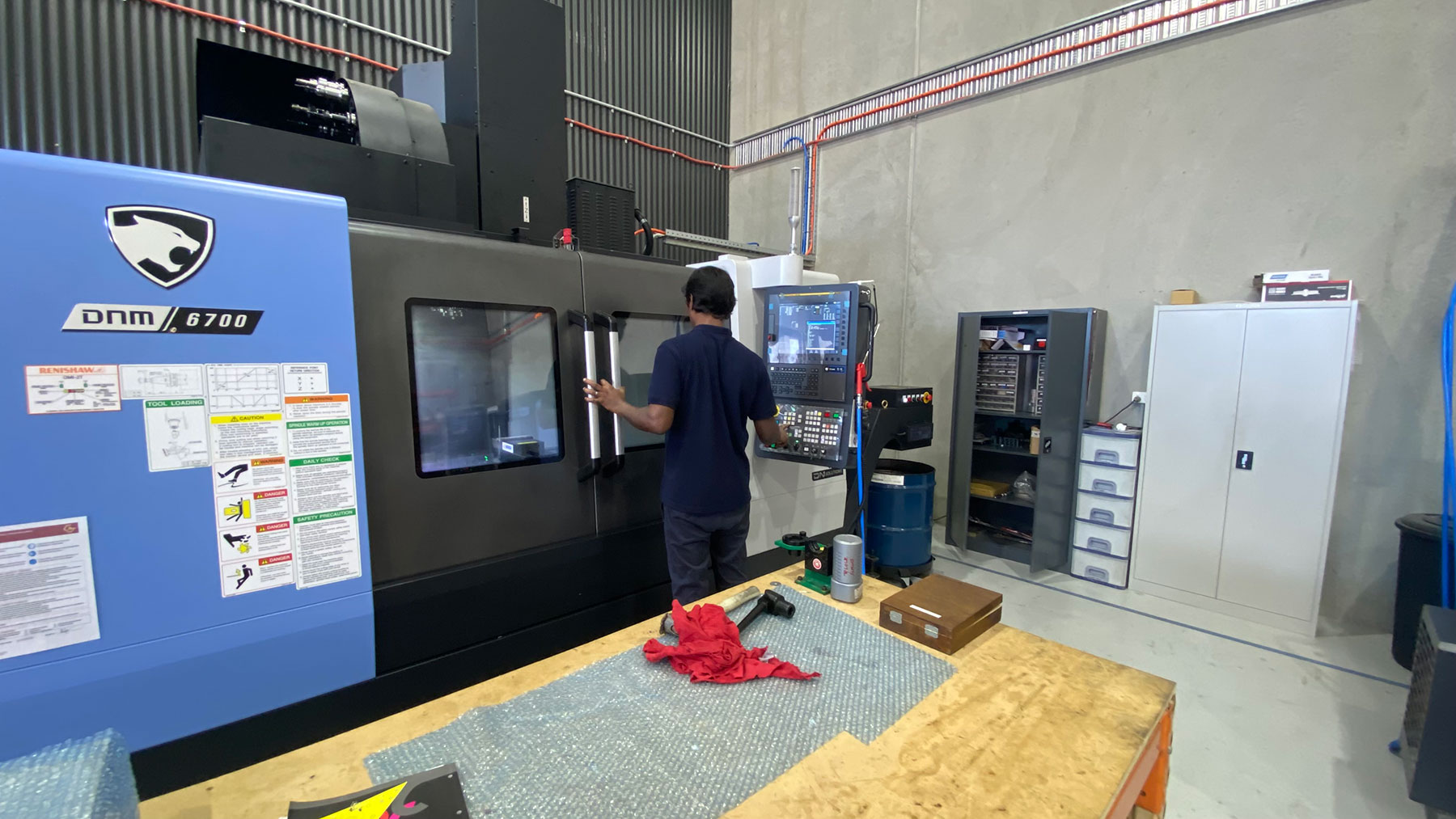
CNC machining services in Adelaide support these needs with advanced tooling and repeatable processes.
Fabrication remains valuable for:
- Structural assemblies
- Custom builds
- Large welded components
At Gaja Engineering, both processes are integrated to deliver complete manufacturing solutions.
Scalability & Production Output
Large-scale production requires:
- Consistency across thousands of units
- Reduced downtime
- Predictable output
CNC machining ensures:
Automated precision Faster batch production Minimal variation
Fabrication, while versatile, often depends on manual processes—making it harder to maintain uniformity at scale.
Final Verdict: Which Scales Better?
For large-scale production:
- Fabrication → Best for structural and custom builds
- CNC Machining → Best for precision, repeatability, and scalable manufacturing
If your goal is to produce high-quality components consistently, CNC machining services in Adelaide provide a clear competitive advantage.
Gaja Engineering combines both capabilities to deliver end-to-end OEM manufacturing solutions tailored for performance and growth.
Frequently Asked Questions (FAQ)
1. What is the main difference between CNC machining and fabrication?
CNC machining focuses on precision and automation, while fabrication involves cutting, welding, and assembling materials.
2. Which is better for large-scale production?
CNC machining is better for high-volume production due to its consistency and accuracy.
3. Are CNC machining services in Adelaide suitable for OEM manufacturing?
Yes, they are ideal for producing high-precision components required in OEM applications.
4. When should fabrication be used instead of CNC machining?
Fabrication is best for structural components and large assemblies that don’t require tight tolerances.
5. Is CNC machining more expensive than fabrication?
Initially, it can be higher, but it becomes more cost-effective as production volume increases.
6. Why choose Gaja Engineering for manufacturing?
Gaja Engineering offers both CNC machining and fabrication services, ensuring scalable, high-quality solutions for OEM production.

