

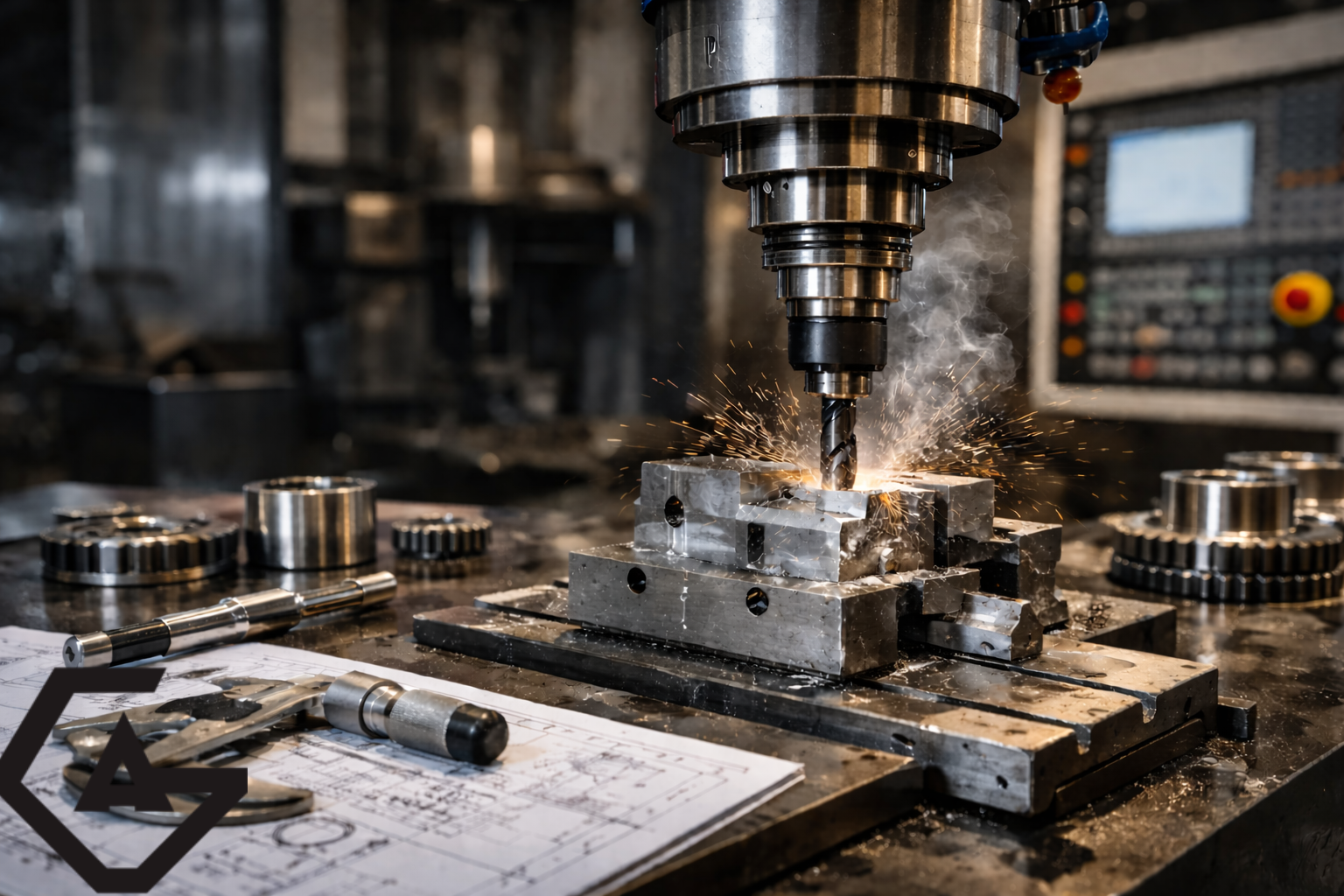
In today’s competitive manufacturing environment, tolerances are the backbone of precision engineering. Whether producing a single prototype or high-volume components, even micron-level deviations can impact performance, safety, and lifecycle costs. For Engineering & Fabrication works in Adelaide, tolerance control is not optional—it’s a commercial necessity.
At Gaja Engineering, tolerances are approached strategically, balancing design intent, manufacturability, and real-world application.
What Are Tolerances in CNC Machining?
Tolerances define the acceptable range of variation in a machined part’s dimensions. No machining process can achieve absolute perfection, so tolerances ensure parts function as intended without excessive cost or rework.
In CNC machining, tolerances directly influence:
-
Fit and assembly accuracy
-
Structural integrity
-
Interchangeability of parts
-
Long-term performance
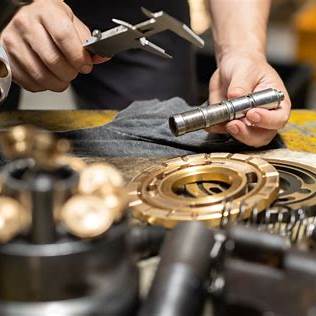
Why Tolerances Matter in Engineering & Fabrication Works in Adelaide
Adelaide’s engineering sector supports industries such as defence, mining, food processing, automotive, and infrastructure. These sectors demand repeatability, reliability, and compliance.
Poor tolerance control can lead to:
-
Component failure under load
-
Costly downtime
-
Increased scrap rates
-
Non-compliance with client or industry standards
This is why Engineering & Fabrication works in Adelaide must integrate tolerance planning early in the design and machining process.
Common Tolerance Challenges in CNC Machining
From Gaja Engineering’s machining floor experience, common challenges include:
-
Over-tight tolerances that inflate machining costs
-
Material expansion due to heat during cutting
-
Tool wear affecting dimensional accuracy
-
Incomplete design documentation
Addressing these challenges requires engineering insight—not just machine capability.
How Gaja Engineering Approaches Tolerance Control
Gaja Engineering applies a practical, production-driven tolerance strategy, focusing on:
-
Design-for-manufacturability (DFM) reviews
-
Advanced CNC machines with tight repeatability
-
In-process inspection and final quality checks
-
Material-specific machining strategies
This approach ensures components meet specification without unnecessary cost escalation, a critical advantage for commercial fabrication projects.
Tight vs Loose Tolerances: Making the Right Call
Not every feature needs ultra-tight tolerances. Strategic engineering identifies:
-
Critical interfaces requiring precision
-
Non-critical dimensions where flexibility reduces cost
This balanced approach is a key differentiator in high-value engineering fabrication Adelaide projects.
The Business Impact of Getting Tolerances Right
Correct tolerance decisions lead to:
-
Faster production cycles
-
Lower rejection rates
-
Improved assembly efficiency
-
Stronger client trust
For manufacturers sourcing Engineering & Fabrication works in Adelaide, this translates directly into operational efficiency and reduced total cost of ownership.
Frequently Asked Questions (FAQ)
1. What is a standard CNC machining tolerance?
Typically ±0.1 mm, but this varies based on material, process, and function.
2. Can tighter tolerances increase cost?
Yes. Tighter tolerances often require slower machining, more inspections, and specialised tooling.
3. How do materials affect tolerances?
Metals expand, contract, and machine differently—aluminium, steel, and stainless steel each behave uniquely.
4. Are tight tolerances always necessary?
No. Only functional or mating features usually require tight control.
5. How does CNC technology improve tolerance accuracy?
Modern CNC machines offer high repeatability, stability, and digital control for consistent results.
6. Why choose local machining in Adelaide?
Local expertise ensures faster turnaround, better communication, and compliance with Australian standards.

