

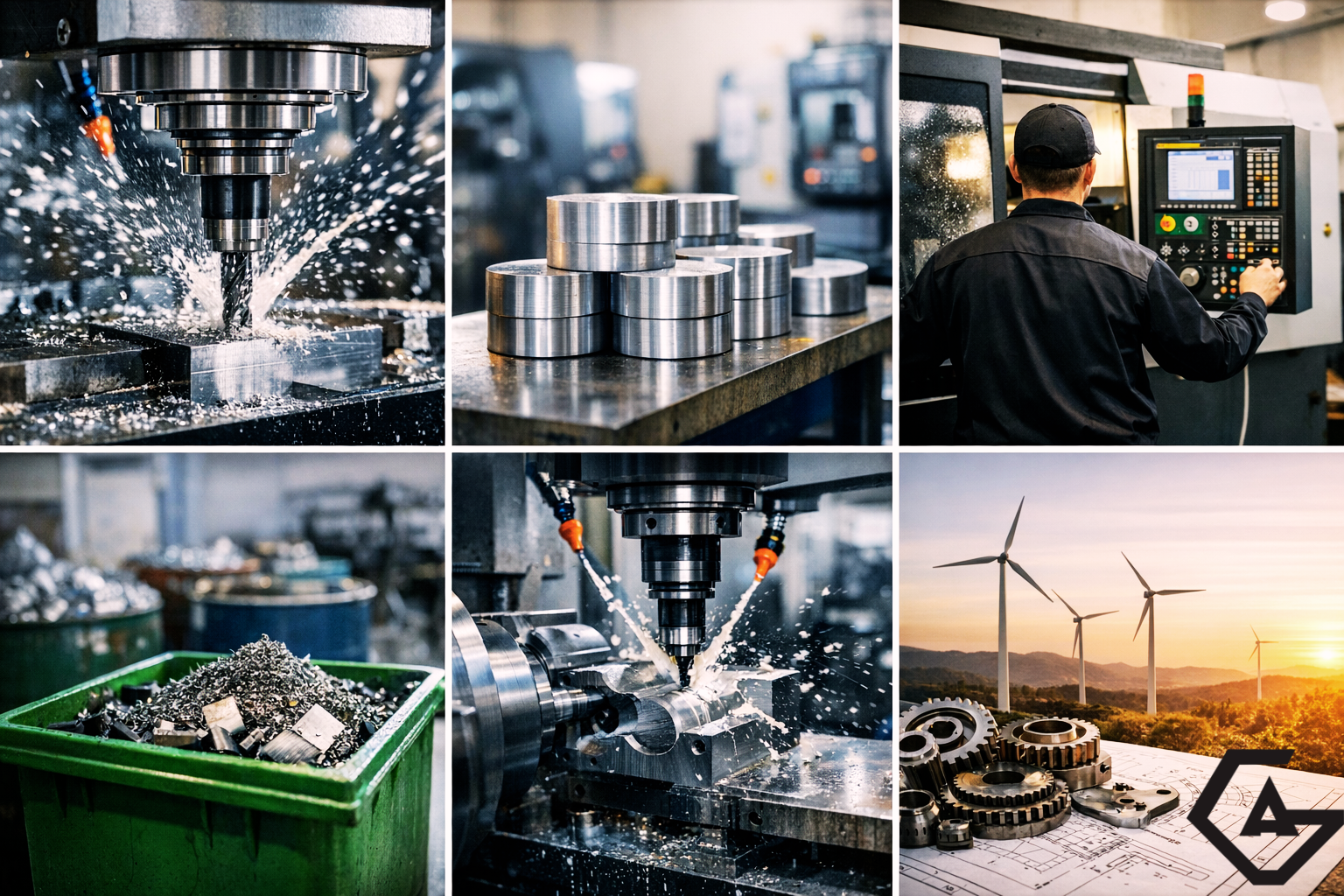
In today’s advanced manufacturing environment, sustainability is no longer a “nice to have”—it is a competitive advantage. For industries demanding high precision and consistent quality, the challenge lies in reducing material waste without compromising performance. This is where CNC Machining services in Adelaide, delivered by Gaja Engineering, are setting a new benchmark.
Why Sustainability Matters in CNC Machining
Traditional machining methods often result in excessive scrap, inefficient tooling usage, and higher energy consumption. Sustainable CNC machining focuses on optimising material usage, improving process efficiency, and lowering environmental impact—while still meeting tight tolerances and performance standards.
At Gaja Engineering, sustainability is integrated directly into our machining strategy, not added as an afterthought.
Material Efficiency Without Compromise
One of the biggest contributors to waste in CNC machining is poor material planning. Advanced CAD/CAM integration allows our engineers to optimise nesting, tool paths, and cutting strategies before a single machine is switched on. This ensures:
-
Reduced raw material consumption
-
Lower scrap generation
-
Maximum yield from every billet or plate
By refining tool paths and sequencing operations intelligently, CNC Machining services in Adelaide can achieve superior accuracy while consuming less material.
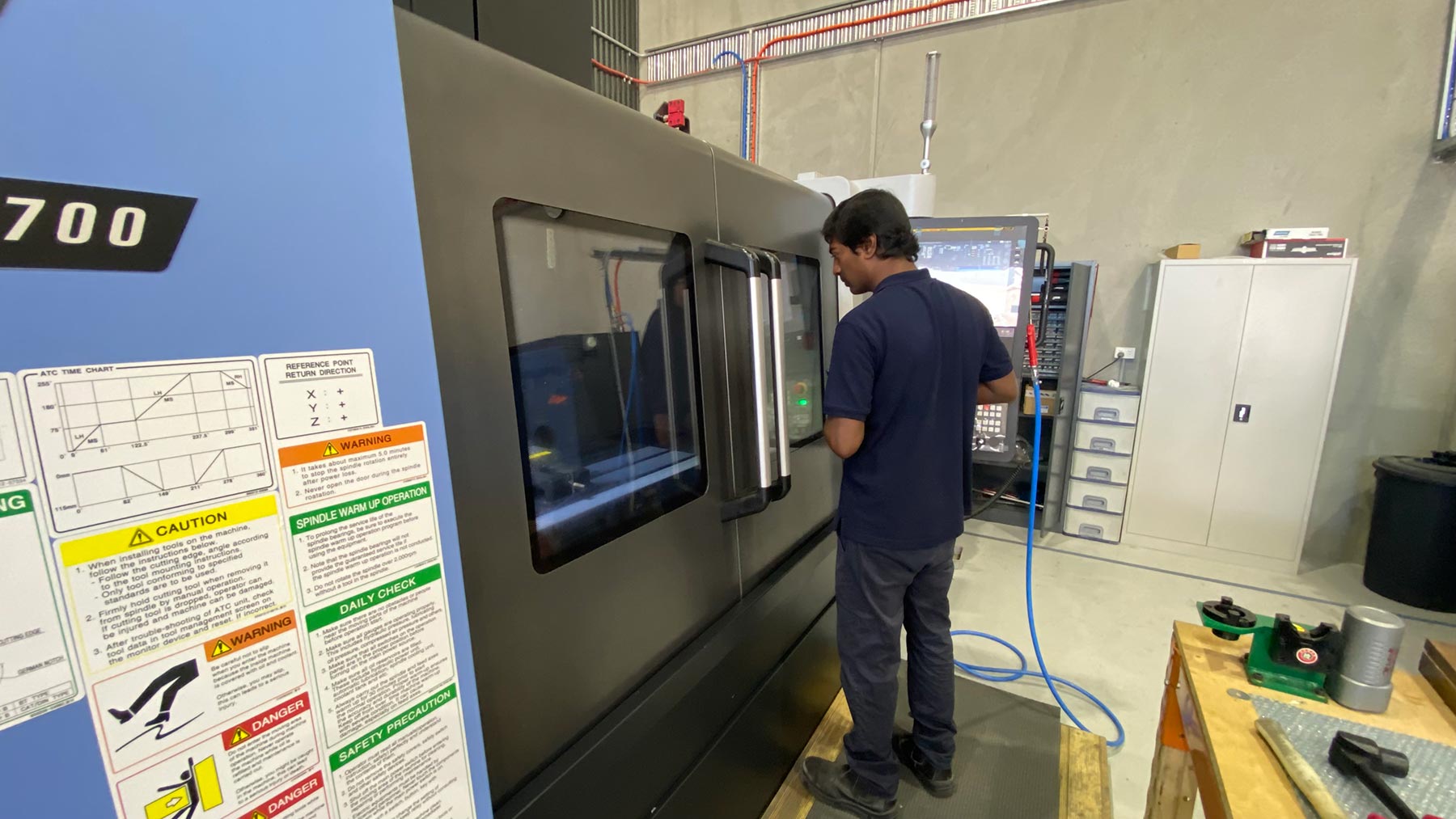
High-Performance Tooling & Smart Machining
Using high-quality cutting tools with longer tool life significantly reduces tool breakage and rework. At Gaja Engineering, we leverage:
-
Optimised spindle speeds and feed rates
-
Tool condition monitoring
-
Multi-axis machining to reduce multiple setups
Fewer setups mean fewer errors, less material waste, and faster turnaround—without compromising component integrity.
Energy-Efficient CNC Operations
Modern CNC machines are designed to be energy efficient, but real savings come from how they are used. By consolidating operations through multi-axis CNC milling and turning, we minimise idle time and reduce overall power consumption per component.
This approach supports sustainable manufacturing while maintaining the high standards expected from precision machining in Adelaide.
Recycling & Responsible Material Management
Metal waste is inevitable—but how it’s handled makes all the difference. Gaja Engineering implements structured recycling programs for aluminium, steel, and specialty alloys, ensuring waste material is responsibly reused rather than discarded.
This closed-loop mindset supports long-term sustainability goals for our clients across defence, infrastructure, mining, and industrial manufacturing sectors.
Why Gaja Engineering Leads Sustainable CNC Machining in Adelaide
Clients choose CNC Machining services in Adelaide by Gaja Engineering not just for precision but for confidence. Confidence that their components are produced efficiently, responsibly, and to the highest performance standards.
Sustainability, when done right, doesn’t reduce capability—it enhances it.
Frequently Asked Questions (FAQ)
1. How does sustainable CNC machining reduce material waste?
By optimising tool paths, nesting strategies, and machining sequences, waste is reduced at the source.
2. Does material-efficient CNC machining affect part performance?
No. When executed correctly, it maintains or improves dimensional accuracy and strength.
3. What materials benefit most from sustainable CNC machining?
Aluminium, steel, stainless steel, and high-value alloys see significant efficiency gains.
4. Are CNC Machining services in Adelaide suitable for low-waste production?
Yes, especially when using modern multi-axis CNC equipment and advanced programming.
5. How does Gaja Engineering support sustainable manufacturing goals?
Through efficient machining strategies, recycling programs, and energy-conscious operations.
6. Is sustainable CNC machining more expensive?
In most cases, reduced waste and faster production result in lower overall project costs.

