

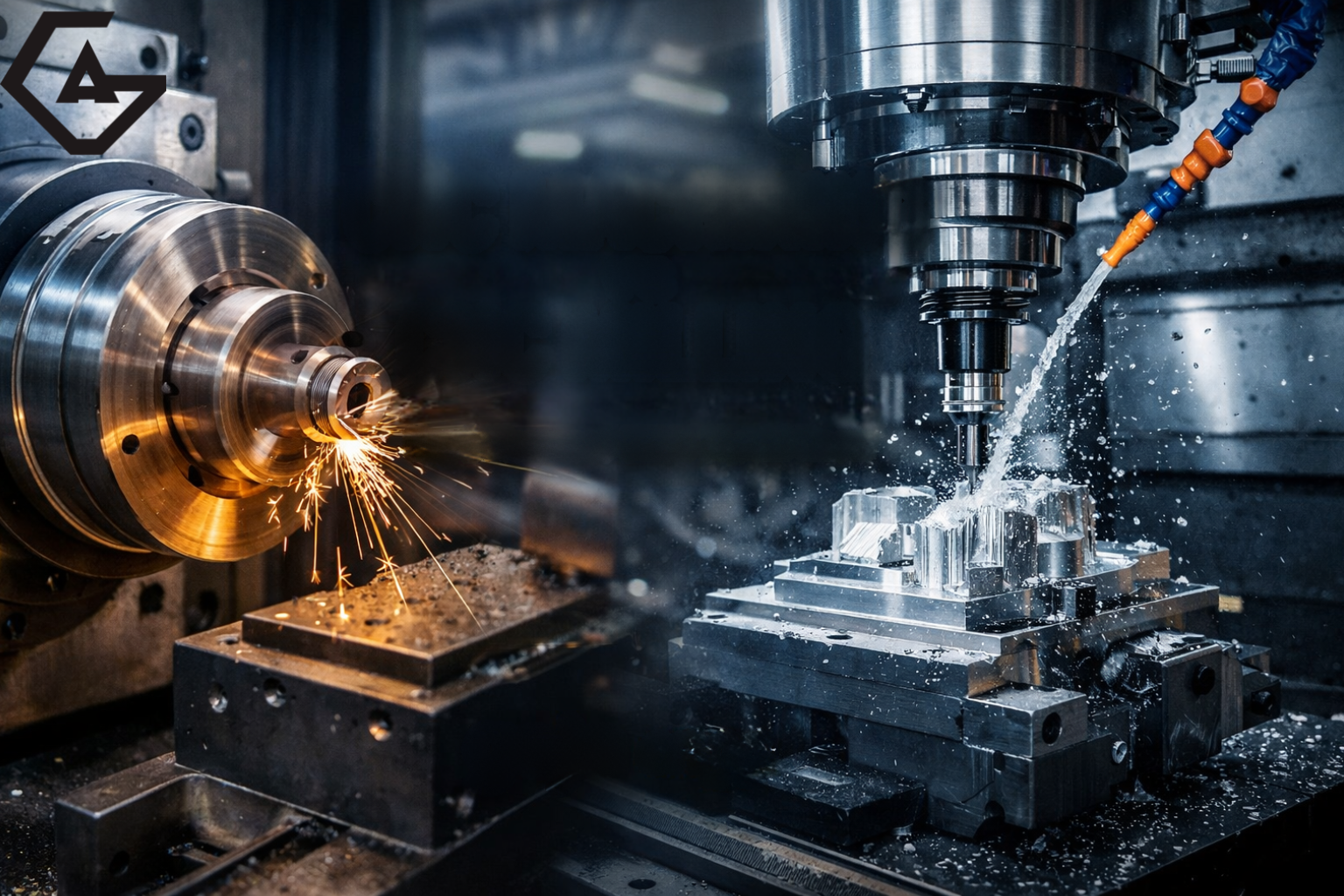
For OEMs seeking precision, efficiency, and scalability, understanding the difference between CNC Machining and CNC Milling Adelaide services is essential. While the terms are often used interchangeably, they represent distinct processes that influence cost, lead time, and production capability.
At Gaja Engineering Adelaide, we deliver both CNC machining services Adelaide and advanced CNC milling services Adelaide, helping OEMs select the right solution for their production requirements.
What Is CNC Machining?
CNC machining is a broad manufacturing process that uses computer-controlled machines to remove material from a workpiece. It includes several techniques such as:
-
CNC milling
-
CNC turning
-
CNC drilling
-
CNC grinding
CNC machining Adelaide solutions are ideal for producing high-precision metal and engineered plastic components used in automotive, mining, defence, and industrial sectors. The key advantage lies in repeatability, tight tolerances, and scalable batch production.
For OEMs managing complex assemblies, CNC machining provides versatility across different part geometries and materials.
What Is CNC Milling?
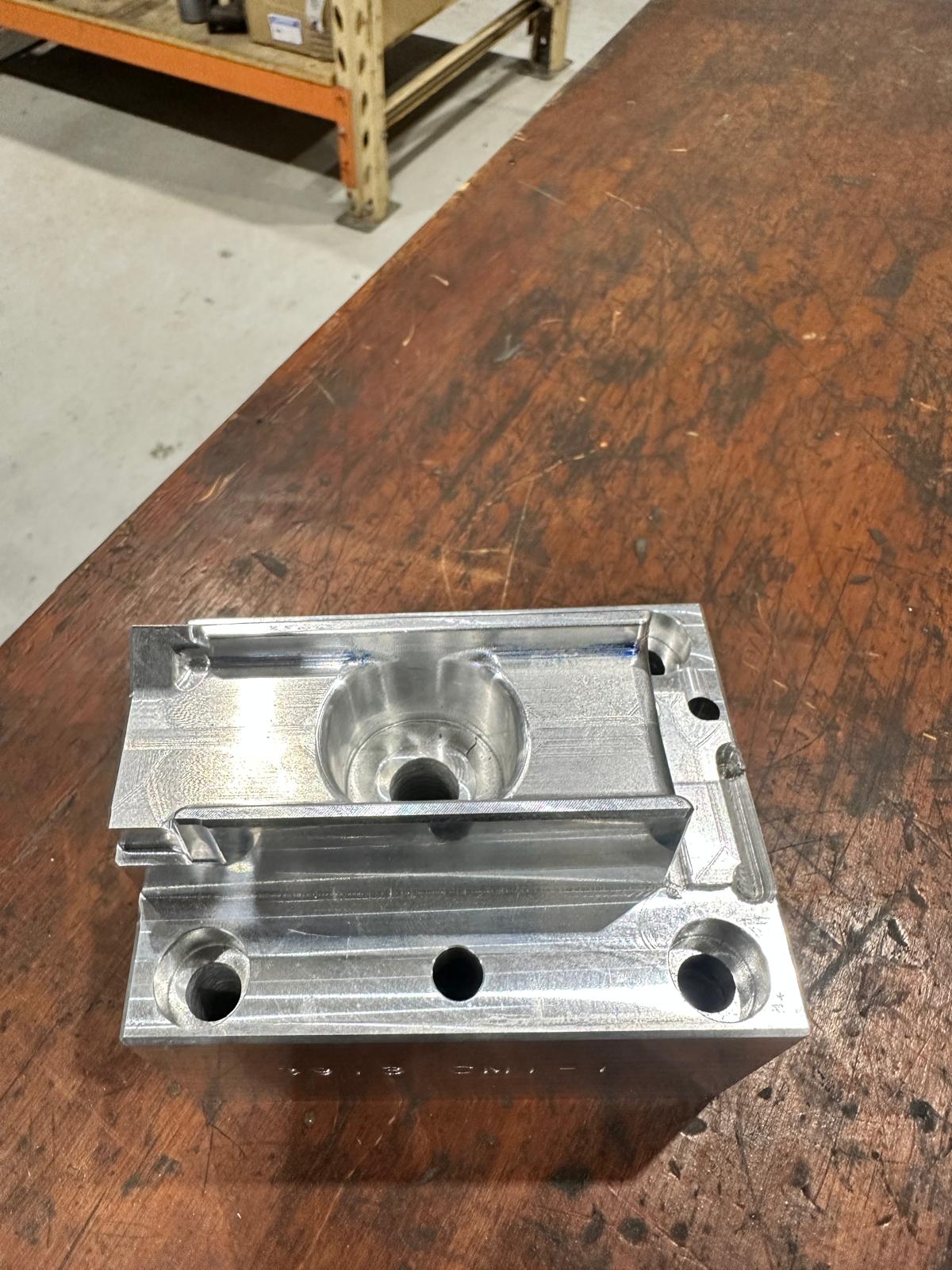
CNC milling is a specific subset of CNC machining. It involves rotating cutting tools that remove material from a stationary workpiece. Advanced setups such as 3-axis, 4-axis, and 5-axis CNC milling Adelaide systems allow the creation of intricate geometries and multi-surface components in a single setup.
OEMs often choose CNC milling services Adelaide for:
-
Complex housings
-
Precision brackets
-
Tooling components
-
Custom aluminium and steel parts
Multi-axis machining significantly reduces manual repositioning, improving accuracy and production speed.
Key Differences OEMs Should Consider
1. Scope of Process
CNC machining covers multiple processes including turning and drilling. CNC milling is one specialised operation within that broader category.
2. Tool Movement
In CNC milling, the cutting tool rotates while the workpiece remains stationary. In other CNC machining methods like turning, the workpiece rotates against a stationary tool.
3. Application Suitability
CNC turning Adelaide is ideal for cylindrical parts such as shafts and bushings. CNC milling Adelaide excels in complex 3D surfaces and precision contours.
4. Cost Efficiency
For high-volume cylindrical components, CNC turning may be more cost-effective. For complex geometries, 5-axis CNC milling Adelaide reduces secondary operations, saving time and labour.
Choosing the Right Solution in Adelaide
OEMs in South Australia require reliable, local manufacturing partners who understand both precision and production strategy. At Gaja Engineering, our integrated CNC machining Adelaide capabilities allow clients to consolidate suppliers and streamline their supply chain.
Whether you require custom CNC parts Adelaide, rapid prototyping, or production runs, aligning the right process with your design ensures optimal performance and ROI.
Frequently Asked Questions (FAQ)
1. Is CNC milling the same as CNC machining?
No. CNC milling is one type of CNC machining process.
2. Which is better for OEM production?
It depends on the part geometry. Complex shapes benefit from CNC milling Adelaide, while cylindrical parts suit CNC turning.
3. What industries use CNC machining Adelaide services?
Automotive, mining, defence, aerospace, and general manufacturing sectors.
4. Does multi-axis CNC milling improve efficiency?
Yes. 4-axis and 5-axis CNC milling reduces setup time and increases precision.
5. Can Gaja Engineering handle both milling and turning?
Yes. Gaja Engineering Adelaide offers complete CNC machining services Adelaide including milling and turning.
6. How do I choose between CNC machining and CNC milling?
Consult with a precision engineering team to evaluate your material, tolerance, and production volume requirements.

