

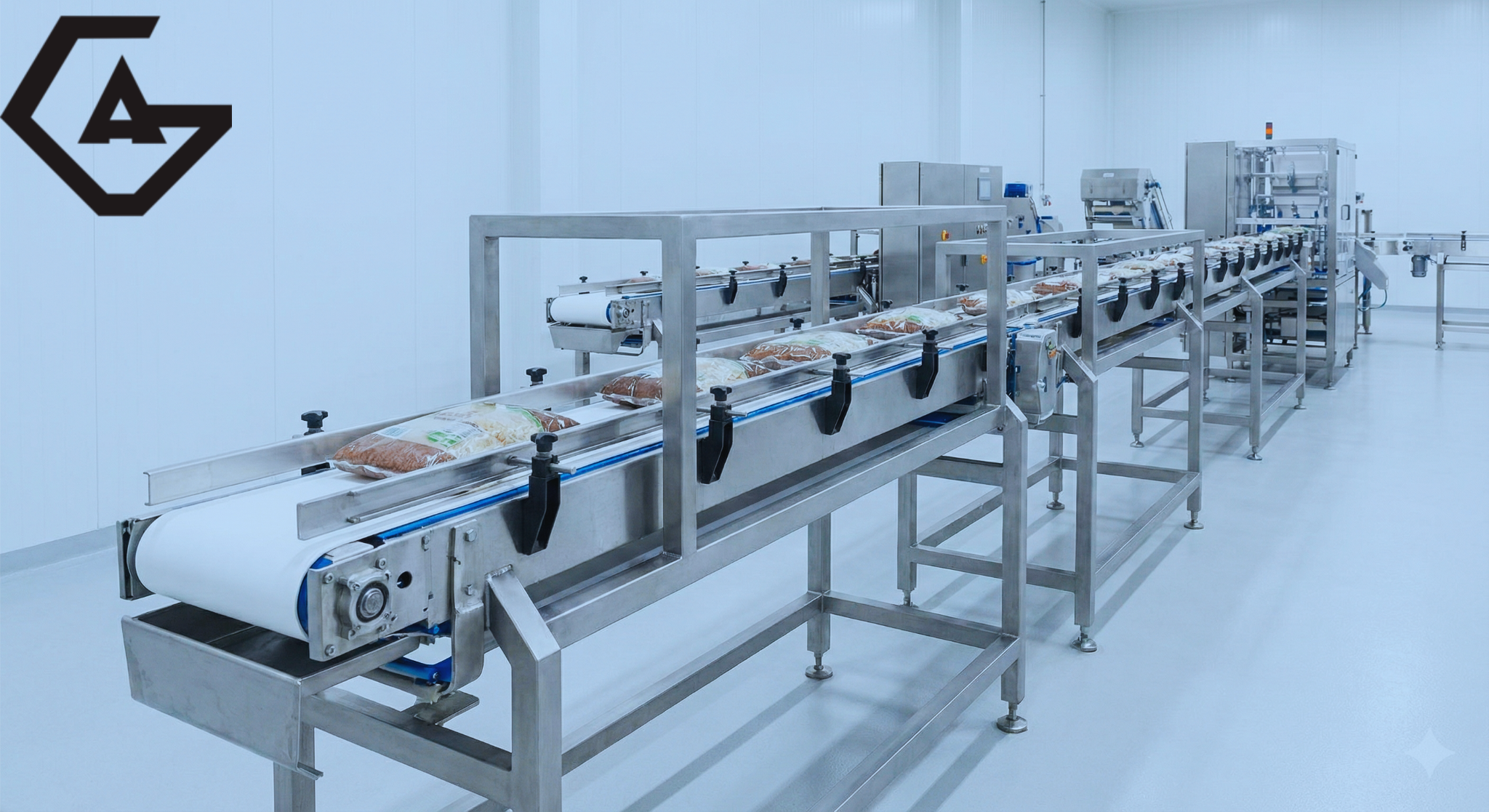
In today’s competitive food manufacturing sector, quality, hygiene, and reliability are far more valuable than low upfront pricing. This is where Gaja Engineering plays a transformative role—delivering precision-driven stainless-steel solutions that support the operational excellence the food industry demands. When your facility depends on uncompromised sanitary design and long-term durability, custom stainless-steel fabrication becomes an investment, not an expense.
Across Australia, leading food processors increasingly rely on partners like Gaja who understand the critical link between food industry maintenance and fabrication, food safety compliance, and daily production efficiency.
Why Stainless Steel Remains the Gold Standard
Stainless steel continues to be the backbone of modern food plants because of its corrosion resistance, smooth finish, sanitary properties, and ease of cleaning. But material alone isn’t enough—the quality of fabrication determines how long equipment lasts and how safe it remains under continuous use.
Low-cost fabrication often results in:
-
Pitting and corrosion
-
Poor weld integrity
-
Hidden bacterial harbourage points
-
Frequent breakdowns
-
Contamination risks requiring costly shutdowns
Gaja Engineering prevents these risks through superior welding methods, food-grade finishing, and adherence to national hygiene standards like HACCP, FSANZ, and ISO requirements.
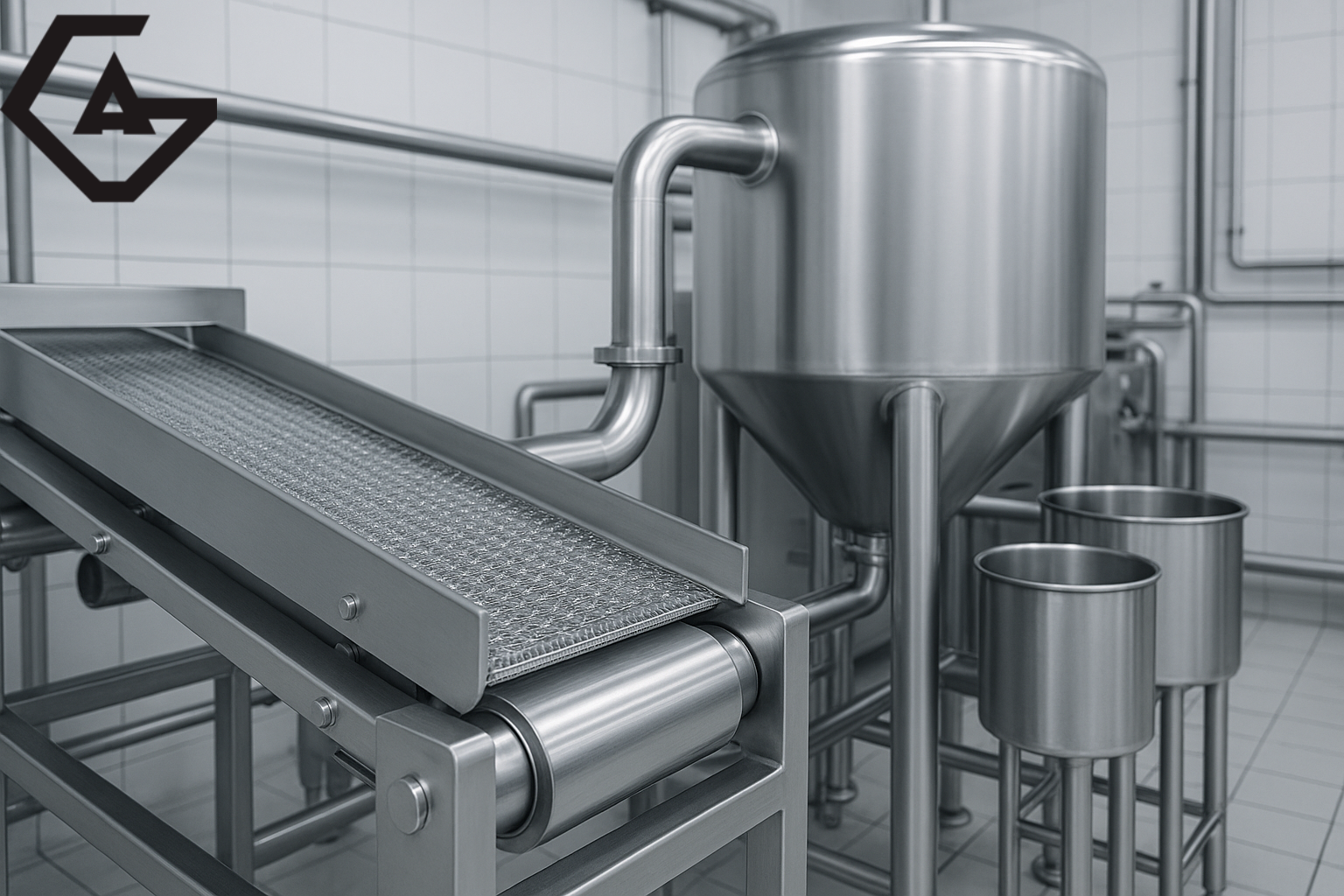
Custom Fabrication: Tailored for Performance and Hygiene
Food manufacturing environments—from meat and poultry to bakery, dairy, beverage, and ready-to-eat—require equipment built precisely for their workflow. Gaja Engineering specialises in custom stainless-steel fabrication designed around each facility’s layout, process, and compliance needs.
Custom solutions deliver measurable value:
-
Improved hygiene with sanitary-grade design
-
Optimised workflow with equipment built for your processes
-
Lower maintenance costs with durable materials and robust fabrication
-
Extended equipment lifespan through corrosion-resistant engineering
-
Guaranteed compliance with Australian food safety standards
Whether it’s conveyors, wash-down stations, hoppers, platforms, pipework, or full structural upgrades—Gaja designs, fabricates, and installs with uncompromising precision.
Maintenance: The Hidden Advantage of High-Quality Fabrication
Durability is only achieved when fabrication is paired with proper maintenance. Gaja Engineering provides end-to-end food industry maintenance and fabrication support, including preventive servicing, site audits, reinforcement welding, equipment modifications, and emergency repairs.
This proactive partnership approach ensures:
-
Reduced unplanned downtime
-
Better production output
-
Increased equipment lifespan
-
Consistent compliance and hygiene
-
Lower long-term operating costs
Food plants that prioritise high-quality fabrication backed by routine maintenance consistently outperform those focused solely on cost-cutting.
Work With a Trusted Stainless-Steel Partner
Gaja Engineering has built its reputation on delivering long-lasting, hygienic, and high-performance stainless-steel solutions for food manufacturers. From design to installation to ongoing maintenance, every project is engineered to serve your operational goals.
Frequently Asked Questions (FAQ)
1. Why is stainless steel ideal for food manufacturing?
It resists corrosion, supports hygienic cleaning, and meets HACCP and FSANZ standards, making it suitable for all food-handling environments.
2. Why should food plants choose custom fabrication?
Custom-built solutions match your workflow precisely, improving hygiene, safety, and operational efficiency.
3. Does high-quality fabrication cost more?
Initially, yes—but it drastically reduces downtime, contamination risks, and maintenance expenses, making it a far better ROI.
4. What stainless-steel equipment can Gaja Engineering fabricate?
Platforms, conveyors, tanks, chutes, pipework, wash stations, guarding, safety rails, and a wide range of food-grade processing equipment.
5. How does fabrication quality impact food safety?
Poor-quality welds and cheap materials trap bacteria and compromise hygiene, risking contamination and safety breaches.
6. How often should food plant equipment be maintained?
Gaja recommends preventive maintenance every 3–6 months to prevent wear, corrosion, and unexpected failures.

