

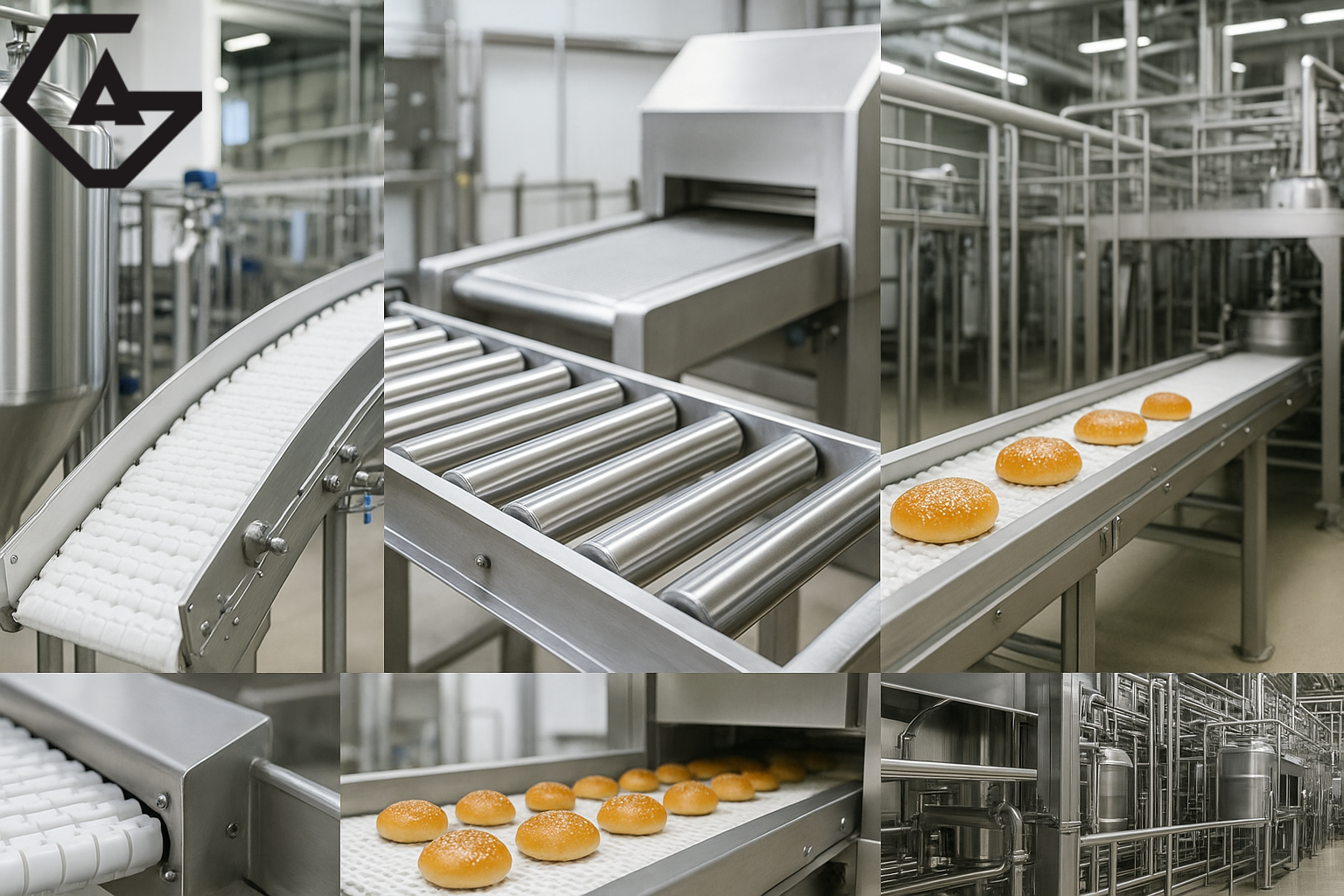
The food processing landscape in 2025 is evolving faster than ever. Manufacturers are under pressure to maximise uptime, maintain strict hygiene standards, and invest in smarter, safer, and more efficient equipment. This shift is pushing facilities to adopt high-quality food industry maintenance and fabrication solutions that align with modern compliance, sustainability, and productivity goals.
Below are the top fabrication upgrades every forward-thinking food manufacturing plant must prioritise to stay competitive in 2025.
1. Food-Grade Stainless Steel Custom Fabrication
Stainless steel fabrication remains the backbone of hygienic food production. Custom-built tanks, benches, hoppers, and frames ensure corrosion resistance, smooth cleaning, and long-term durability. Facilities moving towards food-grade fabrication, 304/316 stainless components, and sanitary equipment design are achieving higher hygiene scores and lower maintenance costs.
2. Hygienic Conveyor Fabrication & Automation Upgrades
Conveyors fabricated with hygienic finishes, seamless welds, and washdown-safe parts minimise cross-contamination risks. Upgrading to automated conveyor systems, belt fabrication, and modular conveyor design boosts line efficiency while reducing downtime.
3. CIP-Compatible Equipment Modifications
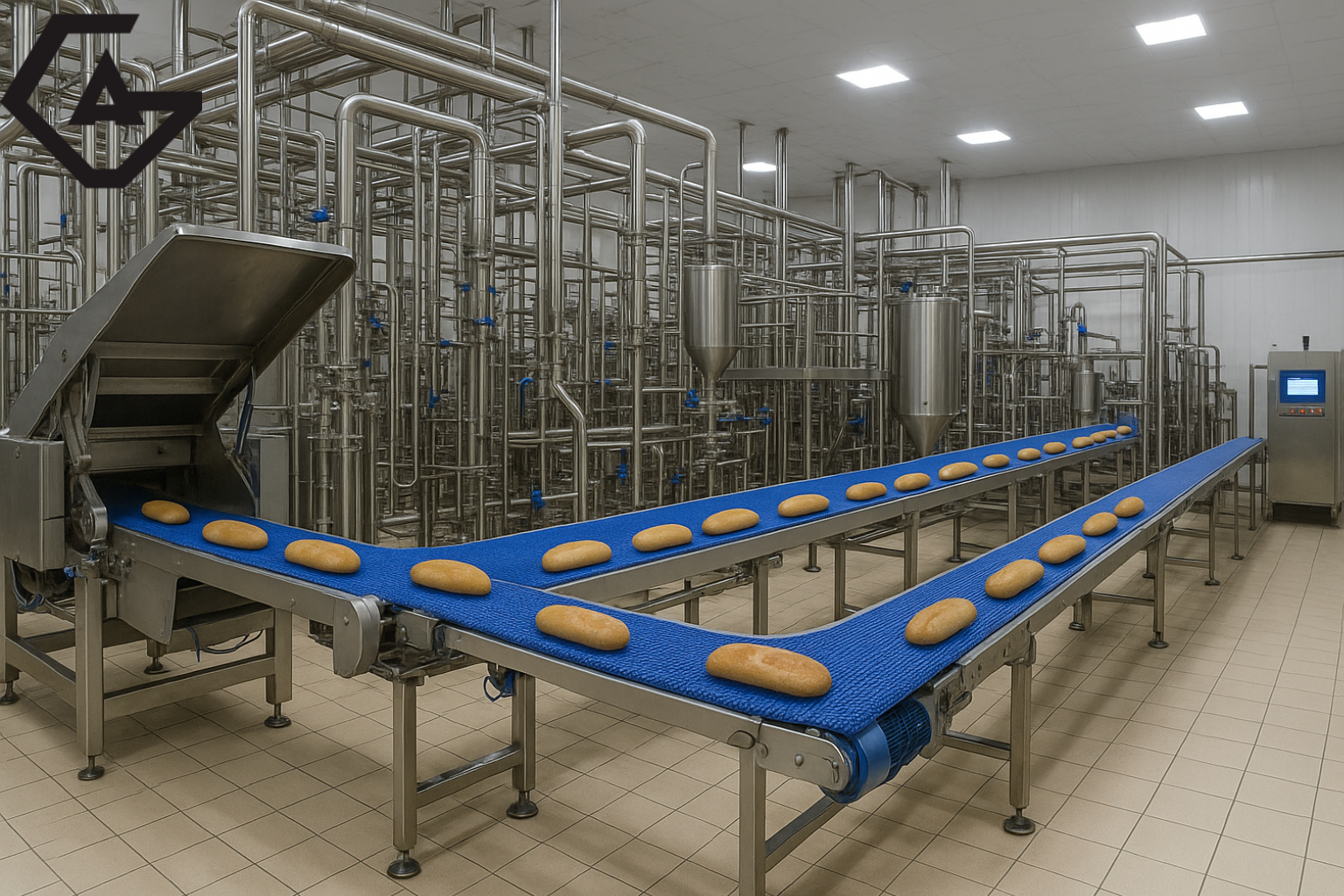
Modern plants are shifting to Clean-In-Place (CIP) compatible fabrication, allowing faster sanitation cycles. CIP-driven fabrication improvements—such as sloped surfaces, polished finishes, and sanitary pipework—ensure compliance with HACCP and FSANZ food safety guidelines.
4. Safety Guarding & Machine Protection Systems
Fabricated machine guards, enclosures, and interlock systems reduce operator risks. Upgrades that comply with Australian safety standards, workplace OHS requirements, and machine guarding fabrication help prevent costly accidents and keep audits stress-free.
5. Custom Platforms, Walkways & Access Structures
Fabricated access platforms, step-overs, and walkways improve maintenance speed and worker safety. Facilities rely heavily on height-access fabrication, anti-slip platforms, and structural steel walkways for safer operations around mixers, dryers, ovens, and processing lines.
6. Precision CNC Machined Food-Grade Components
CNC-machined rollers, shafts, brackets, and housings are essential for smooth line performance. Upgrades in food machinery parts, precision machining, and high-tolerance components enhance reliability and reduce wear.
7. Fabricated Washdown Stations & Drainage Infrastructure
Washdown zones with stainless drain systems, graded flooring, and water-efficient cleaning points ensure compliance and faster sanitation. Modern facilities are using hygienic drainage, custom washdown systems, and floor trough fabrication to maintain safe production environments.
8. Hygienic Pipework Fabrication for Fluid Processing
High-purity pipework with orbital welding is critical for dairy, beverage, and liquid food lines. Plants investing in sanitary pipe fabrication, process piping, and fluid transfer systems achieve contamination-free operations and better thermal control.
9. Fabricated Storage, Racking & Ingredient Handling Systems
Custom stainless steel racks, pallets, bins, and ingredient handling systems optimize space and reduce product-handling time. Fabricators focusing on food-safe storage, custom racking fabrication, and ingredient management systems are helping facilities eliminate clutter and improve inventory flow.
10. Preventive Maintenance & Equipment Refurbishment
Proactive fabrication support—rebuilding components, reinforcing frames, and upgrading worn sections—prevents breakdowns and extends equipment life. Facilities investing in preventive maintenance engineering, equipment refurbishment, and structural reinforcement are enjoying significantly lower downtime.
Frequently Asked Questions (FAQ)
1. Why is stainless steel fabrication essential for the food manufacturing industry?
It offers corrosion resistance, easy sanitation, and a hygienic surface ideal for food production environments.
2. What fabrication upgrades increase food processing efficiency?
Conveyors, sanitary pipework, CNC-machined parts, and hygienic platforms significantly improve throughput and reduce downtime.
3. How does hygienic design support food safety compliance?
Hygienic fabrication eliminates crevices, supports fast cleaning, and aligns with HACCP and FSANZ regulations.
4. What is the benefit of CIP-compatible fabrication?
It reduces cleaning time, ensures consistent hygiene, and eliminates the need to dismantle equipment daily.
5. Does preventive fabrication help reduce breakdowns?
Yes, rebuilding and reinforcing equipment prevents failures and keeps production lines running smoothly.
6. Are custom platforms important for maintenance teams?
Absolutely. They provide safe and ergonomic access to elevated equipment, reducing risks during routine servicing.

